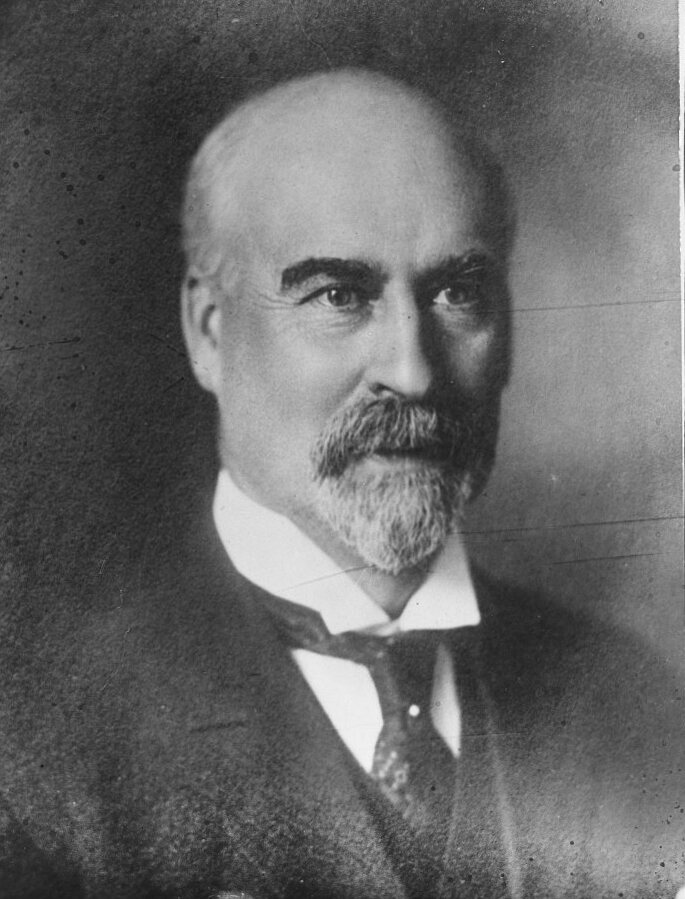
MEDCALF, Francis Henry
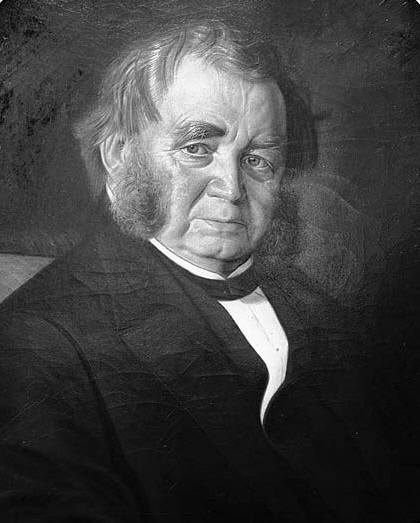
- Born
- 1803-05-10
Delgany, County Wicklow, Ireland - Died
- 1880-03-26
Toronto, Ontario - Role
- Mayor of Toronto, 1864–1866 and 1874–1875; founder of the Don Foundry; first County Master of the County Orange Lodge of Toronto
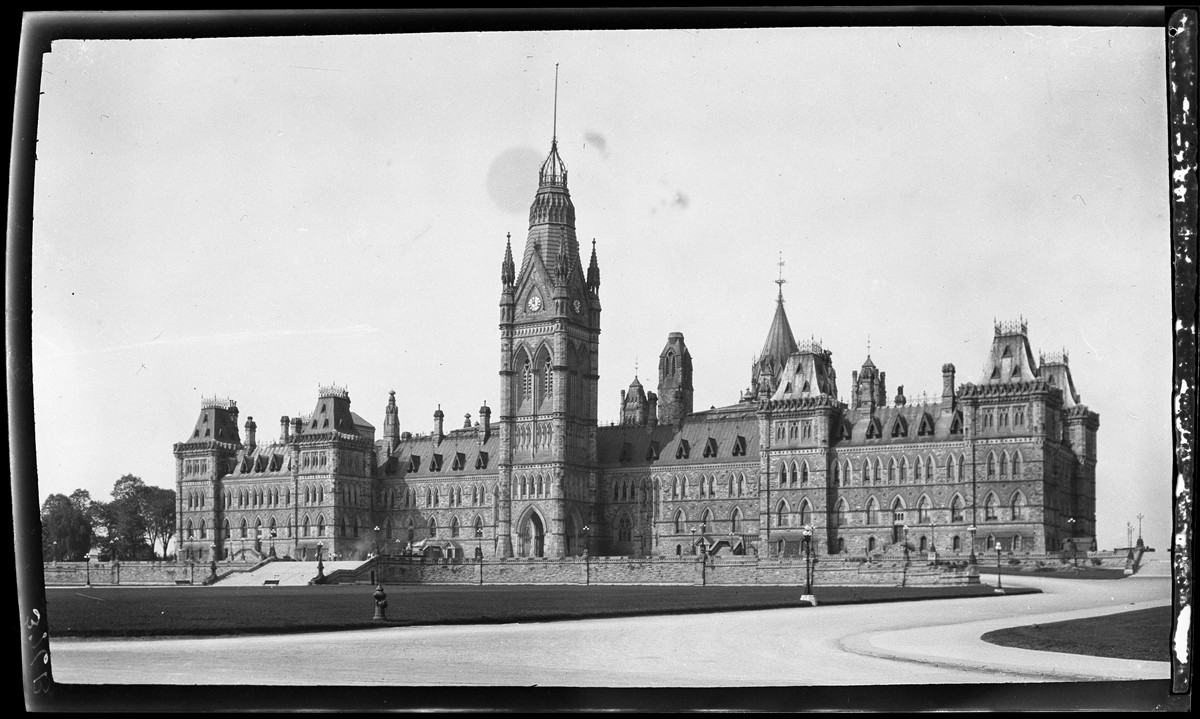
Francis Henry Medcalf crossed from County Wicklow to Upper Canada as a sixteen-year-old in 1819. Fifty-six years later, as Mayor of Toronto, he sat at the Lord Mayor of London’s banquet in the Guildhall. In between, he put three foundries into the city, the Don Foundry alone turned out threshing machines, steam engines, and mill gear for half a generation of Upper Canadian farms, won five annual mayoral contests across two separate stretches of the 1860s and 1870s before a heavy final defeat in 1876, chartered the County Orange Lodge of Toronto as its first County Master, and fought at Ridgeway against the Fenian raid. None of that had been plotted out in the family’s Wicklow-to-Toronto passage. He was the kind of civic figure Victorian Toronto produced and later forgot it had.
Early life
Medcalf was born at Delgany, County Wicklow, in Ireland, on 10 May 1803, the son of William and Martha Medcalf. The family, eight children in all, emigrated to Upper Canada in 1819, when Francis was sixteen, and settled on Big Otter Creek in Bayham Township, on land purchased from the Talbot Settlement’s founder, Thomas Talbot.
The foundries
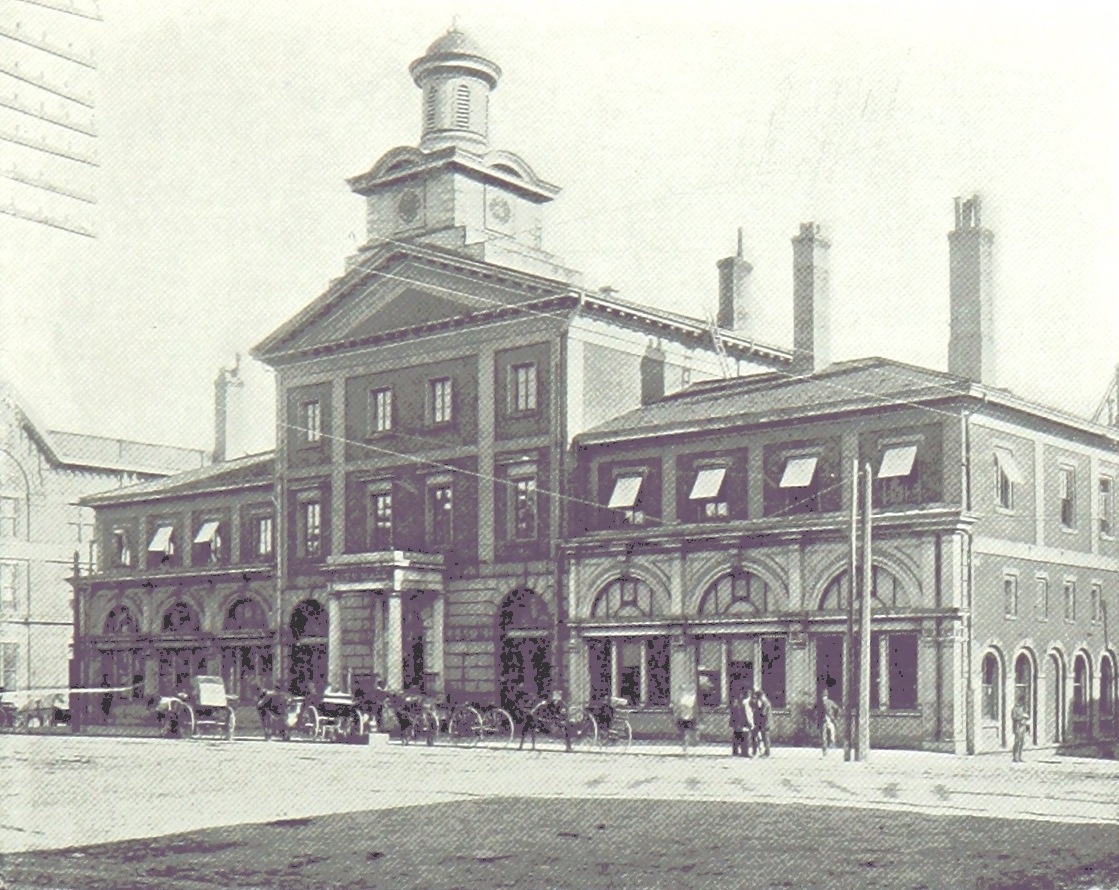
Medcalf ran one of the earliest foundry and machine-shop operations in the city. By 1843 he had his own millwright and machinist business. His first works opened on the Queen Street East block running east from Yonge. In 1847 he opened a second plant, the Don Foundry and Machine Shops, along the Don River, turning out the threshing machines, steam engines, and mill equipment that an expanding Upper Canadian farm economy needed. A third foundry on King Street was added in the 1860s. The Medcalf house stood at King and Queen, within walking distance of the King Street works.
In 1831, while still in Philadelphia, Medcalf married Mary Harrison. Six of their sons went into the family trade; the third, Alfred, eventually inherited the foundry.
Orange Order
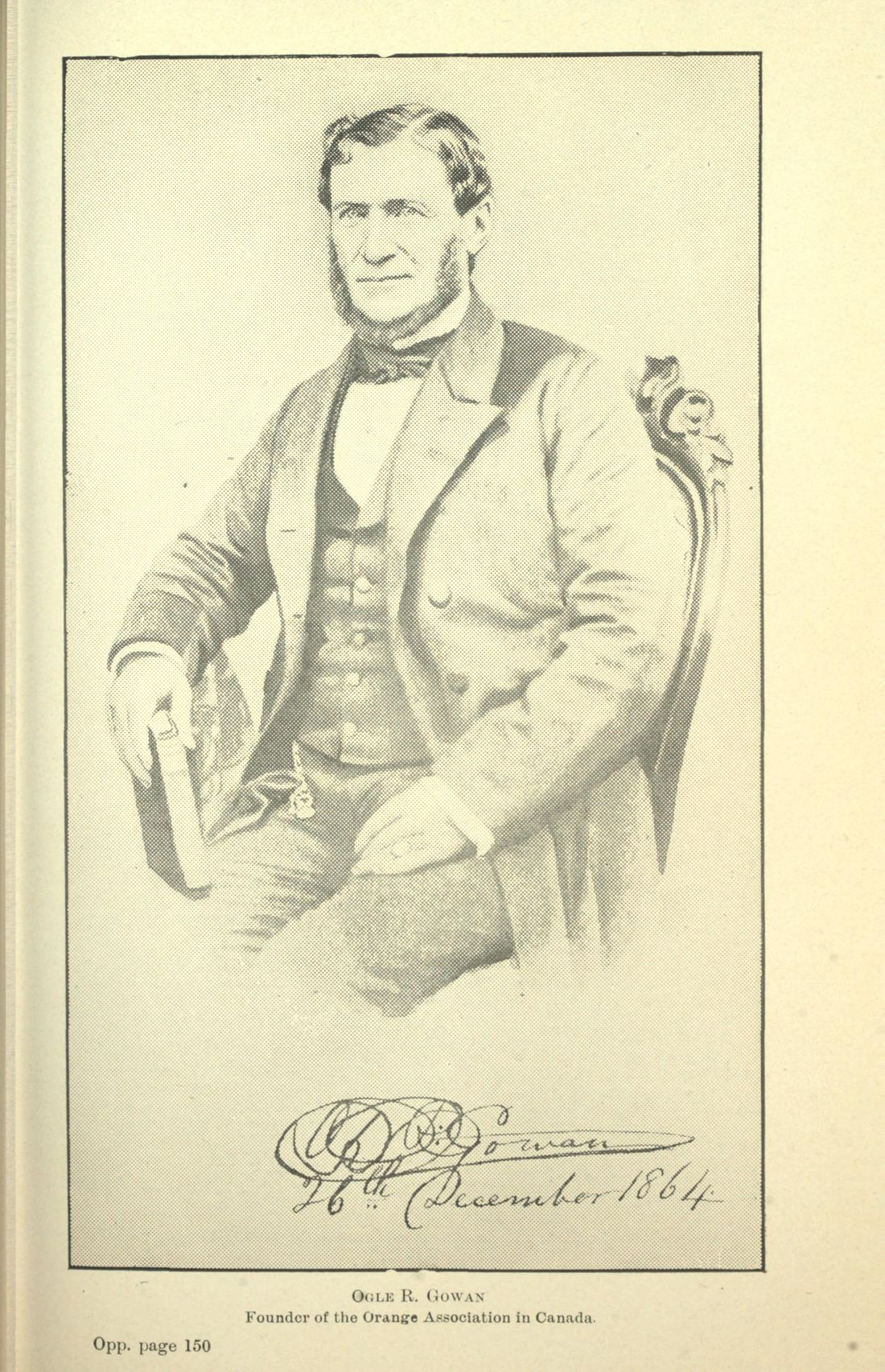
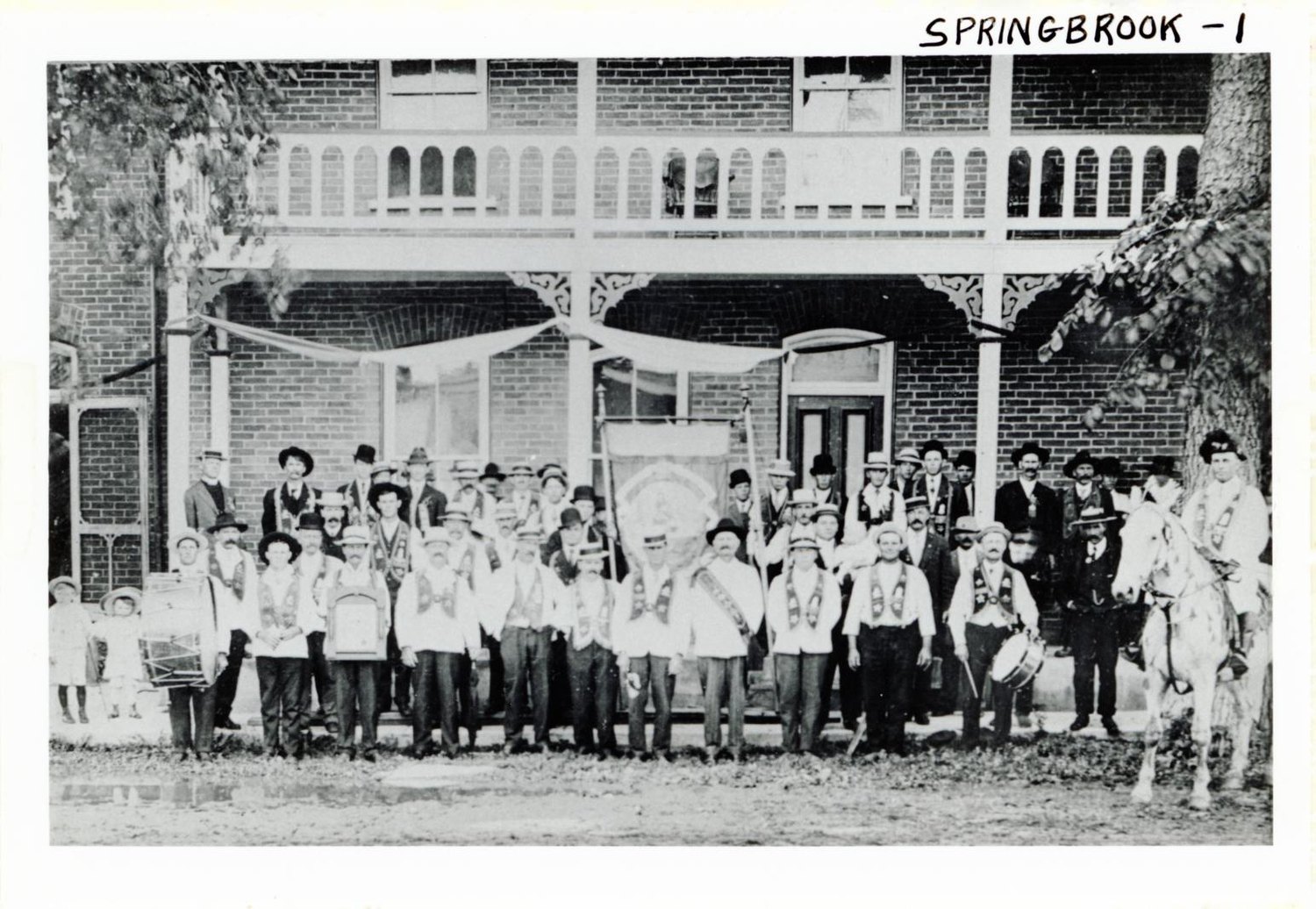
Medcalf served as Master of Loyal Orange Lodge No. 275 and held the Toronto district mastership through most of the 1850s. When the County Orange Lodge of Toronto was formally chartered in 1860 as the umbrella body for the city’s lodges, he was installed as its inaugural County Master. Between 1862 and 1864 he presided over the Ontario West jurisdiction of the Order as its Grand Master, only the second man to hold that chair.
Mayor of Toronto
Medcalf served as an alderman before he ever stood for mayor, sitting on the council in 1860 and again in 1863. He took the mayoralty out of the separate-schools fight of 1863. A cross-party coalition, Orangemen, Conservatives, and Liberals who supported the common-school position, put him up against the sitting mayor, John George Bowes, whose willingness to defend publicly-funded Catholic schools had become the organising issue. Medcalf won the vote of 6 January 1864. Toronto’s mayoralty was an annual office in this period: he was returned the following year by an overwhelming margin and stood unopposed for a third term in January 1866.
From 1867 to 1873 the city council, rather than the voters, chose the mayor each year, and Medcalf did not hold the office during that interval. He remained active regardless, sitting again as alderman for St. John’s Ward in 1870 and 1871 and standing unsuccessfully for the provincial riding of East Toronto against Matthew Crooks Cameron in 1871.
Popular election of the mayor returned in 1874, and Medcalf won the chair back, winning re-election in 1875. In July of that year he represented Toronto at the Lord Mayor’s banquet at Guildhall in London, the formal reception held for mayors of the major British and colonial cities. He stood for a further term in 1876; by then, in the assessment of his Dictionary of Canadian Biography entry, even his own supporters acknowledged his “torpor,” and he was heavily defeated, closing out his mayoral career.
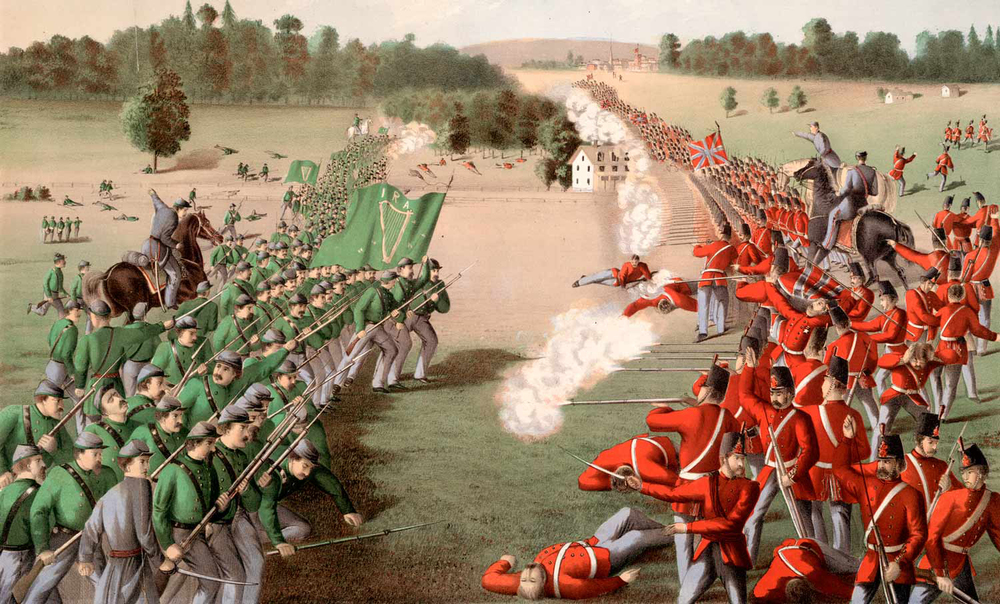
He saw militia service during the 1866 Fenian raids and was on the field at the Battle of Ridgeway that June.
Legacy
Contemporaries knew Medcalf by the nickname “Old Square-toes.” The characterisation that has come down through the Dictionary of Canadian Biography’s scholarly assessment of him is of a mayor remembered as incorruptible and unremarkable in equal measure, whose passions ran high on two subjects only: resistance to Catholic assertiveness in civic affairs and defence of the Orange Order itself.
Death
Medcalf died in Toronto on 26 March 1880, at the age of seventy-six. He was buried at St. James Cemetery.
Trace Your Orange Roots
Surname matches, haplogroup placement, and living relatives. FamilyTreeDNA's testing kits pick up where archival records on the Medcalf line end.
Affiliate links. We earn a small commission at no cost to you. Full disclosure →
Sources
- Barrie Dyster, 'MEDCALF, FRANCIS HENRY,' Dictionary of Canadian Biography, vol. 10 — Authoritative scholarly biography; primary source for his parents, the Bayham Township settlement, the Philadelphia sectarian violence that shaped his Orange commitment, the foundry dates, his 1860 and 1863 aldermanic terms, the annual mayoral contests of 1864–1866, his 1871 provincial defeat, the 1876 defeat, his marriage, and the 'Old Square-toes' nickname.
- Francis Henry Medcalf — Wikipedia — Biographical overview with references to the City of Toronto's mayoral roster and St. James Cemetery burial record.
- City of Toronto Archives — Mayors of Toronto — Official municipal record of terms served, 1864–1866 and 1874–1875.
- The Globe (Toronto), coverage 1863–1880 — Contemporary press reporting on Medcalf's mayoral campaigns, particularly the 1864 contest against John George Bowes over the Separate School question.
Further reading
As an Amazon Associate we earn from qualifying purchases. Full disclosure →
- Toronto, the Belfast of Canada: The Orange Order and the Shaping of Municipal Culture — William J. Smyth. University of Toronto Press, 2015. Situates Medcalf within the 19th-century Orange mayoral sequence that dominated Toronto politics.
- The Sash Canada Wore: A Historical Geography of the Orange Order in Canada — Cecil J. Houston and William J. Smyth. University of Toronto Press, 1980.