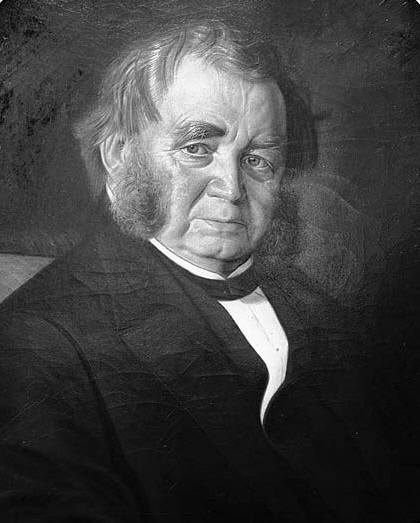
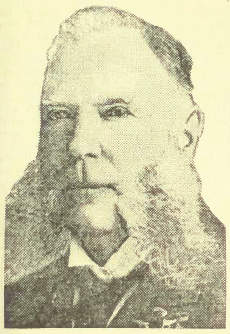
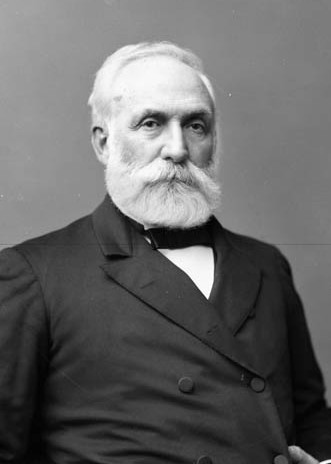
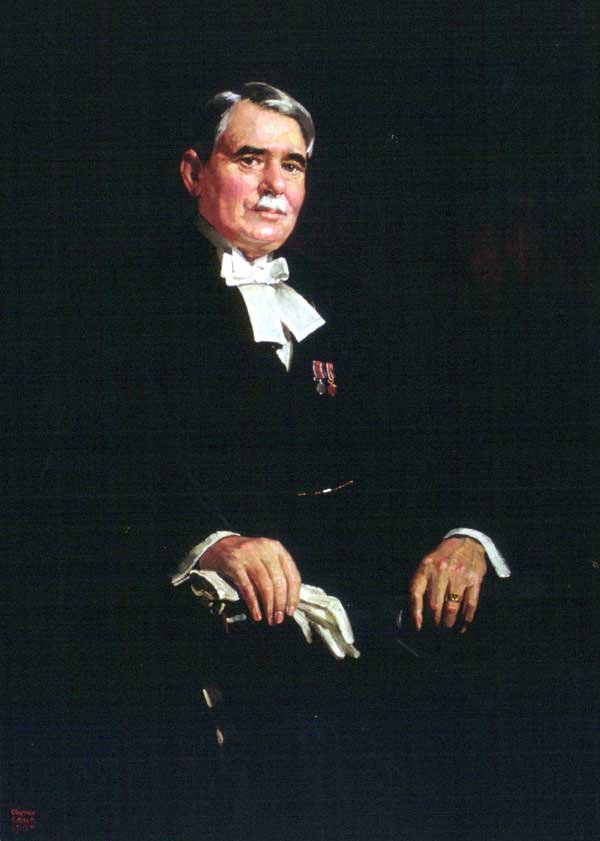
HOCKEN, Horatio Clarence
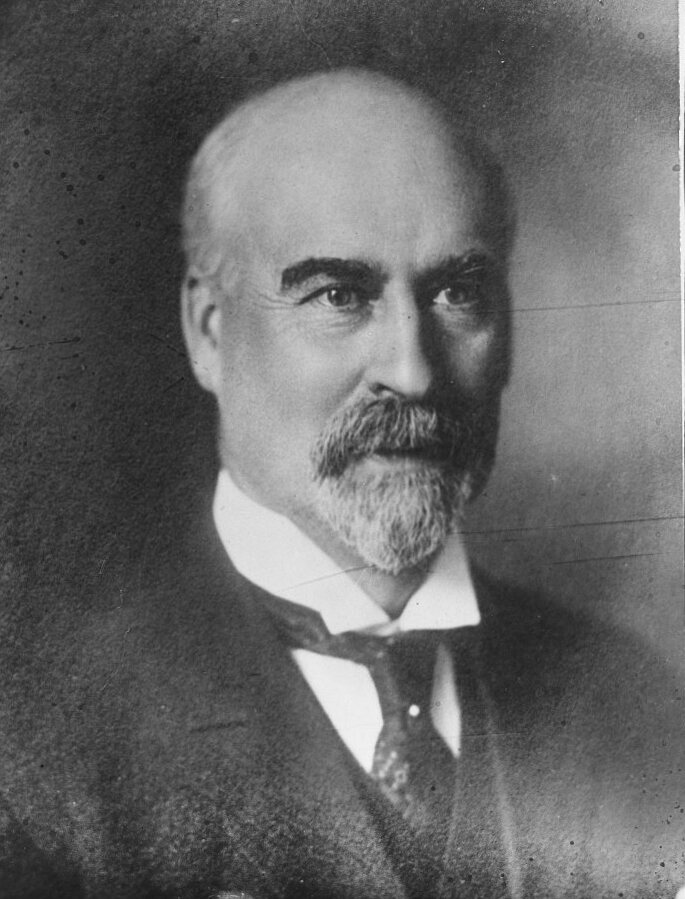
- Born
- 1857-10-12
Toronto, Canada West - Died
- 1937-02-18
Toronto, Ontario - Role
- Mayor of Toronto, 1912–1914; Member of Parliament; Senator of Canada
In 1892 Horatio Hocken was on strike against the Toronto News. Within a year he was the business manager of a brand-new Toronto paper founded by the strikers. Inside twenty years it was the Toronto Star. By then he had moved on, to the mayor’s office, where he dropped the communicable-disease death rate in Toronto by three-quarters in two years, and to the Grand Master’s chair of the Orange Order in Canada, which he held through the Great War. The Senate came last, in 1933. The trajectory from a Globe composing room to the Red Chamber is not ordinary, and Hocken was not an ordinary figure.
Early life
Hocken was born in Toronto on 12 October 1857, ten years before Confederation, when the city was still Canada West. He learned the printing trade as a typesetter at The Globe, where he was drawn into the labour activism of the printers’ union before moving across to the composing room’s reporting desk, and for most of the 1890s covered Toronto City Hall. By the early 1900s the municipal press corps had given him the nickname “King Maker”, for the weight he threw behind aldermanic candidates, not the elegance with which he threw it. He married Isabella Page in 1880 and had four children.
The Evening Star
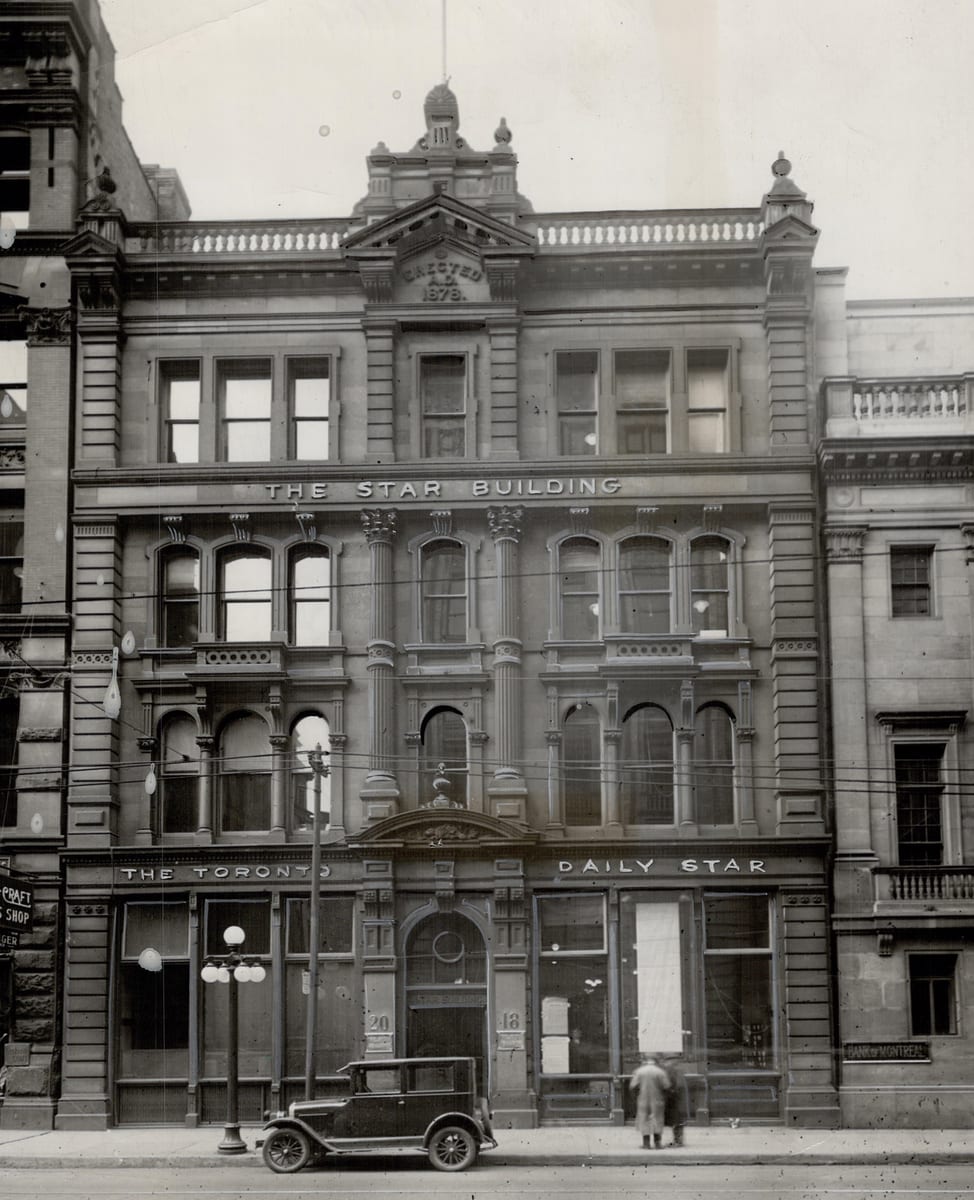
In 1892, the Toronto Typographical Union walked out of the Toronto News. Hocken, then a foreman in the print room, left with them. He and roughly twenty other strikers pooled resources and founded the Evening Star as a labour paper, with Hocken as business manager. The title survived the strike and, through a series of ownership changes, became the Toronto Star. In 1905 he bought The Orange Sentinel, the weekly paper of the Loyal Orange Association of British America, which he would own through his years in elected office.
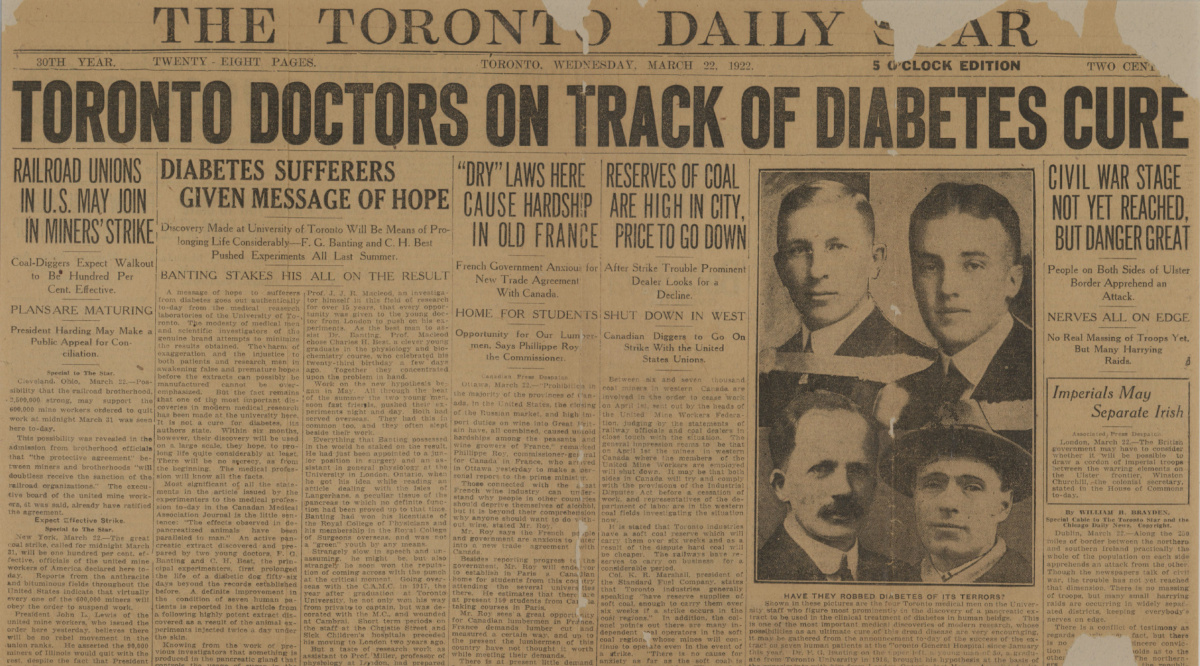
Thirty years after the 1892 walk-out, the paper would be breaking a story, the discovery of insulin at the University of Toronto, that travelled around the world.
Orange Order
Hocken was elected Grand Master of the Grand Orange Lodge of British America in 1914, the year he left the mayor’s chair, and he held the office until 1918. His tenure covered the First World War, a period when the Order in Canada was a significant recruiting and fundraising force. Through The Orange Sentinel he controlled the principal English-language Orange publication in the country, giving him a platform that operated in parallel to his political career rather than as a subordinate of it.
Toronto City Hall
Hocken served on Toronto’s Board of Control in 1907–1909, 1911, and 1912, where colleagues and the press called him “The Fighting Controller,” a nickname that also produced the Toronto Daily Star’s 1912 verdict on him: “He’s little, but he’s wise; he’s a terror for his size.” He was the first member of Toronto’s city government to publicly argue for an underground subway, a position he took to the electorate in 1910 with the slogan “Tubes for the People.” He lost that race to George R. Geary.
On 21 October 1912, Geary resigned to become the city’s Corporation Counsel. Hocken was appointed mayor by council. He won his own mandate outright in the January 1913 election on the argument that “it is the future we must provide for, not the present,” carrying, by contemporary account, the biggest vote and the biggest majority any Toronto mayor had ever received. He campaigned for re-election in 1914 on the line “he is a man of experience and a public servant who dares to do things” and won again, with a margin of about five thousand votes over Frederick McBrien; The Globe read McBrien’s strong showing as a sign of public unease with Hocken’s push to buy out the city’s private transit and electric utilities.
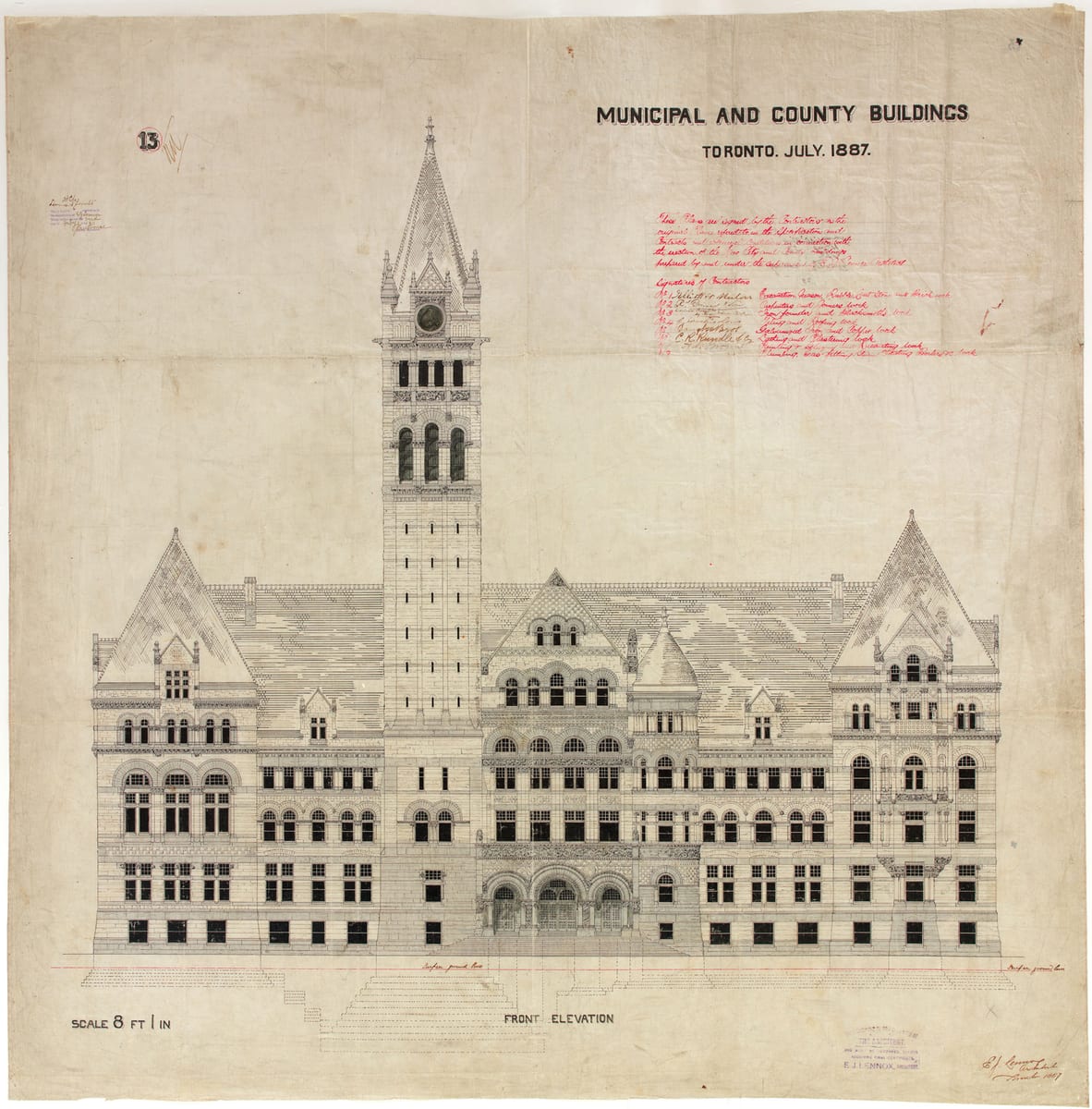
The city Hocken inherited in 1912 was still running its council business out of this earlier Front Street chamber, the building that E. J. Lennox’s Queen Street City Hall (opened under John Shaw’s administration in September 1899) had replaced.
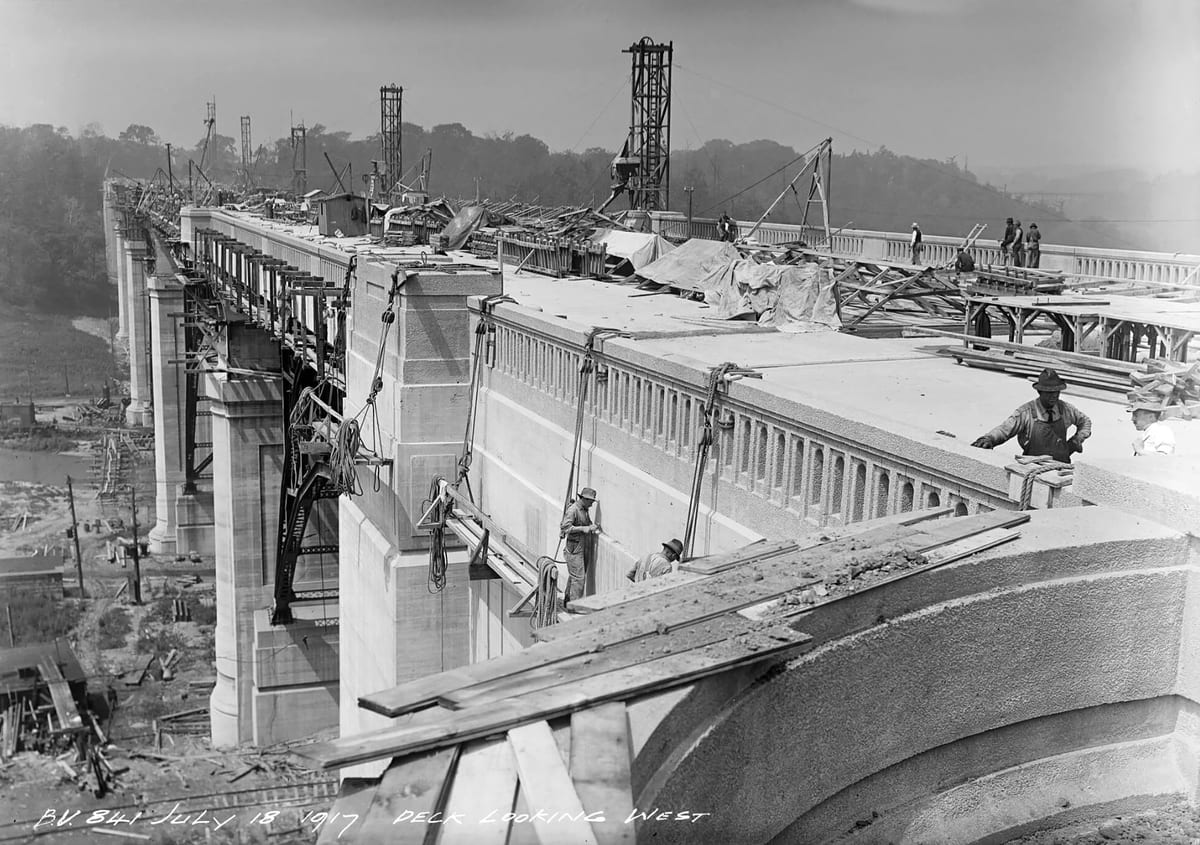
His administration’s public-health record was his most durable legacy. In two years his City Hall built public baths, opened a sewage-treatment plant and a water-filtration plant, extended the sewer system into annexed suburbs, started a public-health nursing program, and distributed free milk to children in the central slums. Deaths from communicable disease in Toronto fell from around 114 per 100,000 to 27 per 100,000 during his time in office, a collapse that reshaped mortality for a generation. He approved the Prince Edward Viaduct over the Don River (the Bloor Street Viaduct, eventually), chartered a municipal housing company that built affordable rental units, and had the city buy a municipal abattoir and cold-storage plant, a move meant to shield small independent butchers from being squeezed out by larger meatpacking interests.
Federal politics
Hocken was elected to the House of Commons in the 1917 election as a Unionist for Toronto West, defending conscription at the height of the war. He stayed in that riding as a Conservative in 1921, and when the boundaries were redrawn in 1924, moved to Toronto West Centre, where he won in 1925 and 1926. He served through the 13th, 14th, 15th, and 16th Parliaments and left the Commons in 1930. In the House he opposed public funding for separate schools and pushed for federal support of Canadian writers and publishers. Members of both parties called him “the little giant,” more for his temper than his height.
Senate and death
Prime Minister R. B. Bennett appointed Hocken to the Senate on 30 December 1933, representing Toronto, Ontario. He sat as a senator until his death on 18 February 1937, two days after his wife Isabella.
Trace Your Orange Roots
Surname matches, haplogroup placement, and living relatives. FamilyTreeDNA's testing kits pick up where archival records on the Hocken line end.
Affiliate links. We earn a small commission at no cost to you. Full disclosure →
Sources
- Linked Parliamentary Data Project — Hocken, Horatio Clarence — Federal parliamentary service record: ridings, party, dates.
- 'Little, But Wise: Toronto's Mayor in 1914', toronto1914 historical project — Synthesis drawing on period Toronto press accounts, including contemporary press quotations and 1913-1914 election detail. Verified July 2026.
- Michael Hanlon, 'Out of the darkness: The Evening Star is born', Toronto Star, 1 November 2002 — Account of the 1892 strike and founding of the Evening Star.
- 'Senate Loses Noted Figure In H. C. Hocken', The Ottawa Journal, 19 February 1937, p. 2 — Contemporary obituary covering Senate service, Orange Lodge role, and family.
- Horatio Clarence Hocken — Wikipedia — Biographical overview including the municipal abattoir purchase and journalism career. Verified July 2026.
- Toronto Transportation Commission — Wikipedia — Confirms the 1921 municipalization of the Toronto Railway Company. Verified July 2026.
Further reading
As an Amazon Associate we earn from qualifying purchases. Full disclosure →
- Toronto Mayors: A History of the City's Leaders — Mark Maloney. Covers Hocken's term in context of Toronto's mayoral lineage.
- The Sash Canada Wore: A Historical Geography of the Orange Order in Canada — Cecil J. Houston and William J. Smyth, University of Toronto Press, 1980. Situates Hocken's Grand Master years within the Order's Canadian arc.
- Toronto, the Belfast of Canada: The Orange Order and the Shaping of Municipal Culture — William J. Smyth, University of Toronto Press, 2015.