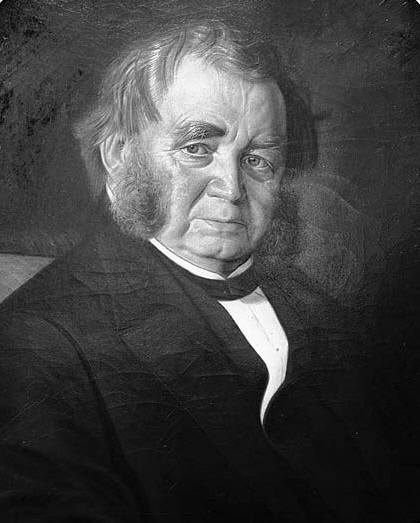
FLOODY, Clarke Wallace Chant
- Born
- 1918-04-28
Chatham, Ontario - Died
- 1989-09-25
Toronto, Ontario - Role
- RCAF Flight Lieutenant, No. 401 Squadron; Spitfire pilot; senior tunnel engineer of the Great Escape at Stalag Luft III; postwar businessman and co-founder of the RCAF Prisoners of War Association
Clarke Wallace “Wally” Floody was the chief tunnel engineer of the Great Escape, the mass break-out by seventy-six Allied prisoners of war from the North Compound of Stalag Luft III, Sagan, on the night of 24 March 1944. Transferred out of the camp ten days before the breakout, Floody survived the war. Fifty of the escapers did not. After the liberation he gave evidence at the Nuremberg trials on the conditions in German POW camps, was appointed MBE in 1946 for his conduct at Sagan, and in 1963 served as technical adviser to the motion picture The Great Escape, whose fictional “tunnel king” character played by Charles Bronson was drawn from him.
Early life
Floody was born in Chatham, Ontario, on 28 April 1918. He attended Northern Vocational School in Toronto. In 1936, at eighteen, he headed north to work at the Preston East Dome Mines at Timmins as a mucker, the underground worker who shovels broken rock into carts at the tunnel face for haulage to the surface. The job taught him tunnelling on an industrial scale, which was directly relevant to what he would do eight years later at Sagan.
He married Betty on 24 May 1940. The couple moved to Kirkland Lake so Floody could return to the Ontario gold mines.
RCAF and capture
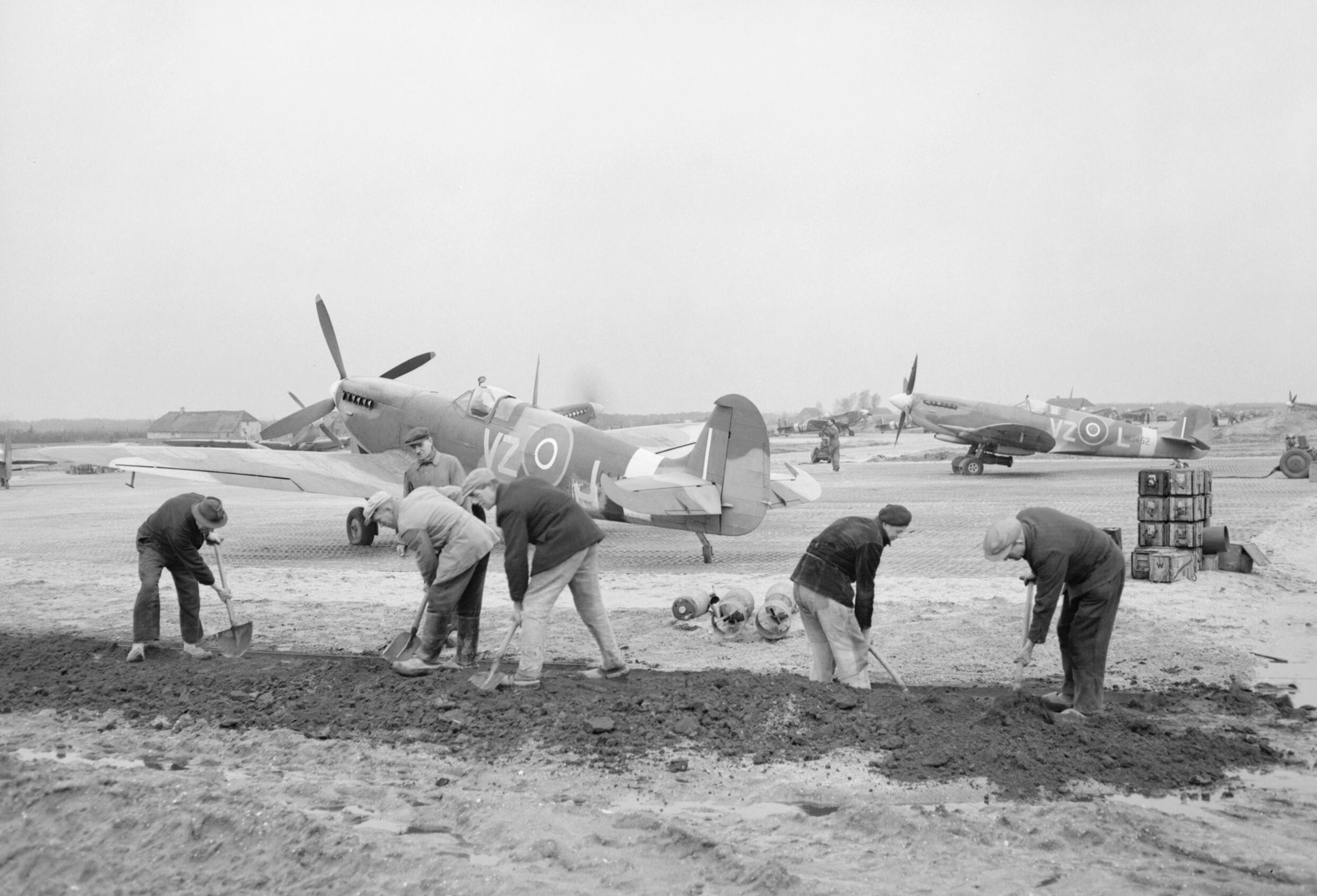
By the time war broke out in September 1939, Floody had left the Ontario mines again and was working on a ranch in Alberta. Getting back east to enlist took some resourcefulness: he paid his way back to Toronto in part by shovelling coal into a locomotive’s boiler. RCAF recruiters at the time preferred single men, and Floody, newly married, had to push past that preference to be accepted. He reported to No. 2 Manning Depot at Brandon, Manitoba, over the Thanksgiving weekend of 1940 and took his pilot training through the following months and into May 1941. By the end of May 1941 he was posted to England and flying Spitfires with No. 401 Squadron of the RCAF from RAF Biggin Hill.
On 27 October 1941 his Spitfire was shot down over Saint-Omer in occupied France. German ground troops captured him on landing. After the usual transit camps he was sent to Stalag Luft III, the Luftwaffe-run camp for Allied aircrew prisoners at Sagan (now Żagań, in south-western Poland).
The X-Organization and the tunnels
Inside Stalag Luft III, an escape committee operated under the code-name X-Organization and the command of Squadron Leader Roger Bushell (code-name Big-X). Bushell put Floody in charge of the engineering side: tunnel design, tunnel digging, and sand dispersal, the camouflage problem of getting tons of bright excavated sand out of the tunnels and into the camp’s flowerbeds and vegetable plots without German guards noticing. The X-Organization ran as a small underground bureaucracy alongside Floody’s engineering department: a forgery section under Flight Lieutenant Tim Walenn copied German identity papers and travel permits, a separate team led by Al Hake and Johnny Travis built working compasses out of melted gramophone records and magnetised slivers of razor blade, and a tailoring department converted uniforms into passable civilian clothing for the men who would use the tunnels.
Three tunnels were dug simultaneously, Tom, Dick, and Harry. The scale was extraordinary: Harry was approximately three hundred and thirty feet long and dug at a depth of thirty feet below the surface, shored with slats from the prisoners’ bed frames, lit with an improvised electric system drawn from the camp mains, and ventilated by a piston-and-valve pump built from tin cans and leather kit-bag seals. Floody supervised the design of the tunnel profile, cross-section, shoring, and station chambers, and the techniques for dispersing the sand.
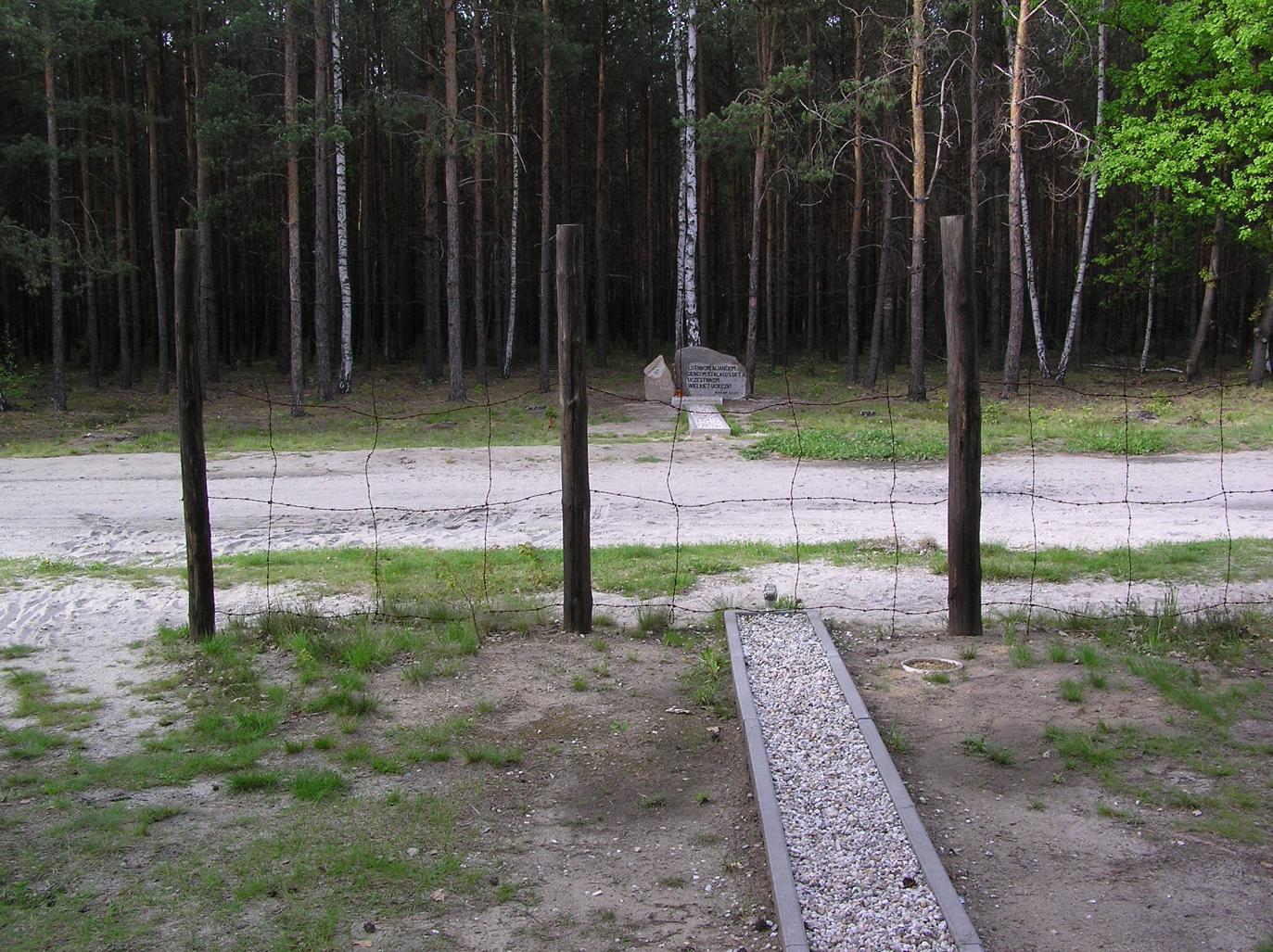
He was repeatedly buried in tunnel collapses during the construction phase. His MBE citation, gazetted in 1946, specifically credits his “marked degree of courage and devotion to duty” through these buryings.
Transfer to Belaria
In March 1944, German guards caught a “penguin”, a prisoner dispersing tunnel sand, and identified tell-tale sand on the clothing of several of the X-Organization’s senior figures. Floody and nineteen others were transferred out of the North Compound to Belaria, a satellite camp. Floody was not the only Canadian who had shaped the escape from the inside: Flight Lieutenant George Harsh of the RCAF sat on Bushell’s escape committee as the camp’s security officer, responsible for watching for informers and warning the tunnellers of German search patterns.
The breakout from tunnel Harry went ahead on the moonless night of 24 March 1944, ten days after Floody had been removed from Sagan. The X-Organization had hoped to put as many as two hundred men through the tunnel in a single night; a guard’s discovery of the exit shaft, short of the treeline it had been aimed at, cut the escape short after seventy-six had gotten out. Seventy-three were recaptured. Fifty of the recaptured men were executed by the Gestapo on Hitler’s direct order, in breach of the Geneva Convention.
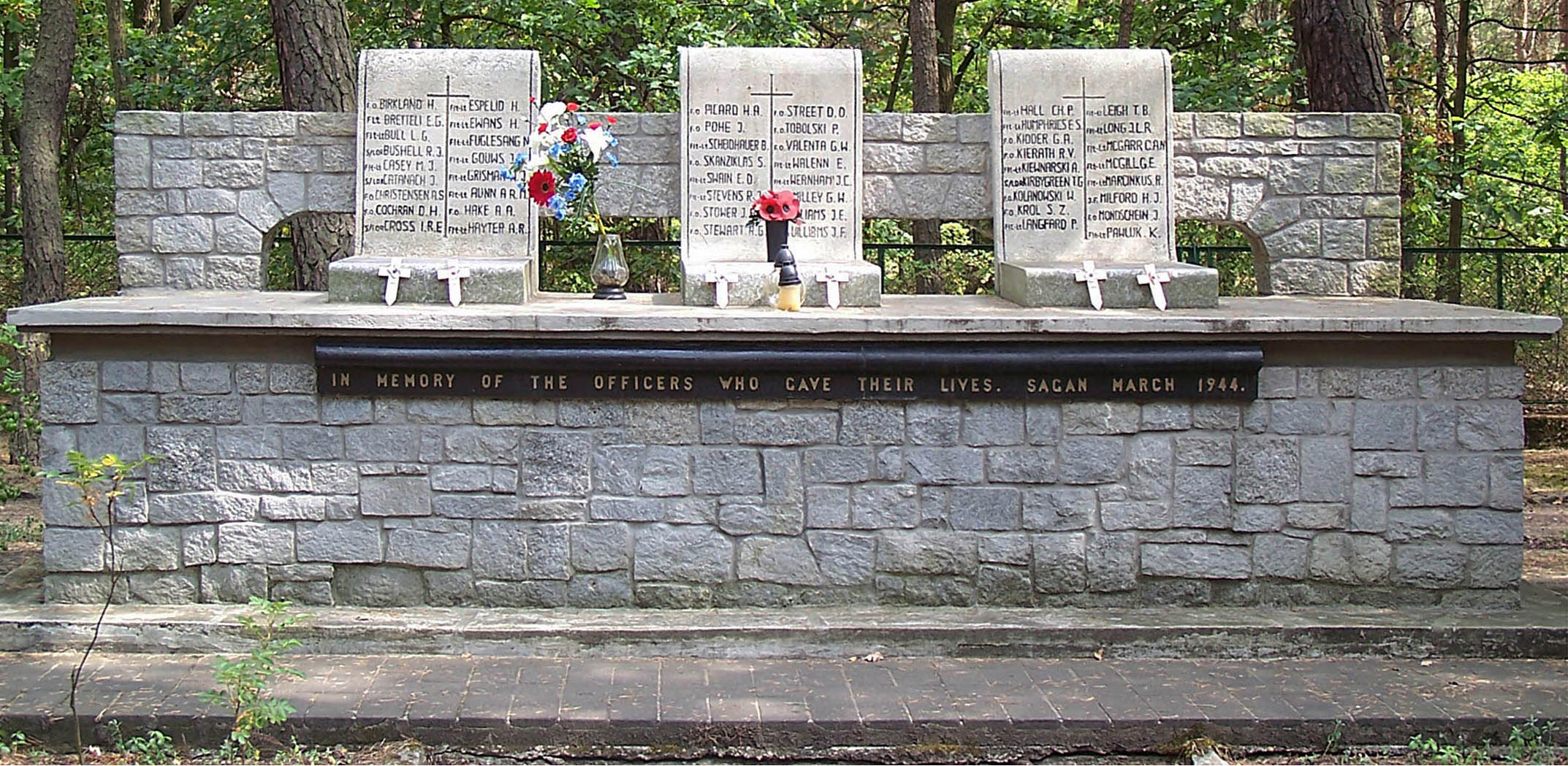
Floody’s transfer to Belaria almost certainly saved his life.
After the war
Floody gave evidence at the Nuremberg trials on POW conditions and on the Gestapo killings of the Sagan escapers. King George VI appointed him a Member of the Order of the British Empire in the 1946 honours, citing his tunnel-engineering work; the announcement came on 22 September 1946, two days after the birth of Wally and Betty’s son Brian.
He returned to civilian life in Canada, moved into business, and was a co-founder of the Royal Canadian Air Force Prisoners of War Association, the veterans’ association that maintained a postwar record of Canadian aircrew POW experience.
The 1963 Mirisch Corporation film The Great Escape, directed by John Sturges, was based on Paul Brickhill’s 1950 book of the same title. Floody served as the film’s technical adviser. The “Danny Velinski” character, Bronson’s tunnel king, was drawn directly from Floody’s role at Stalag Luft III.
Floody died in Toronto on 25 September 1989, at the age of seventy-one, and is buried in Park Lawn Cemetery.
Trace Your Orange Roots
Surname matches, haplogroup placement, and living relatives. FamilyTreeDNA's testing kits pick up where archival records on the Floody line end.
Affiliate links. We earn a small commission at no cost to you. Full disclosure →
Sources
- Wally Floody — Wikipedia — Biographical overview with citations to the London Gazette MBE citation, RCAF service records, and Commonwealth War Graves Commission holdings.
- 'Commemorating the Great Escape', Royal Canadian Air Force, 24 March 2021 — Official RCAF anniversary feature.
- 'A Canadian connection to WWII's Great Escape', Legion Magazine — Legion Magazine feature drawing on Floody's own postwar accounts, including enlistment circumstances, the Brandon posting, and MBE timing relative to son Brian's birth. Verified July 2026.
- The London Gazette — MBE citation for Flight Lieutenant W. Floody, 1946 — Primary source for the MBE citation quoted in his biographical articles.
- Library and Archives Canada — RCAF service records
- NOVA — 'Inside Tunnel Harry', PBS — Planned scale of the breakout and the tunnel exit falling short of the treeline. Verified July 2026.
Further reading
As an Amazon Associate we earn from qualifying purchases. Full disclosure →
- The Great Escape — Paul Brickhill, 1950. Brickhill was imprisoned alongside Floody at Stalag Luft III; the book is the primary published source for most subsequent treatments.
- Great Escape Tunnel: The Archaeology of a World War II Prisoner of War Camp — Jamie Crellin and Marc Lauer. Discovery Channel documentary and associated publications, 2004.