The Harbour Grace Affray, 26 December 1883
- Date
- 1883-12-26
- Location
- Harbour Grace, Newfoundland
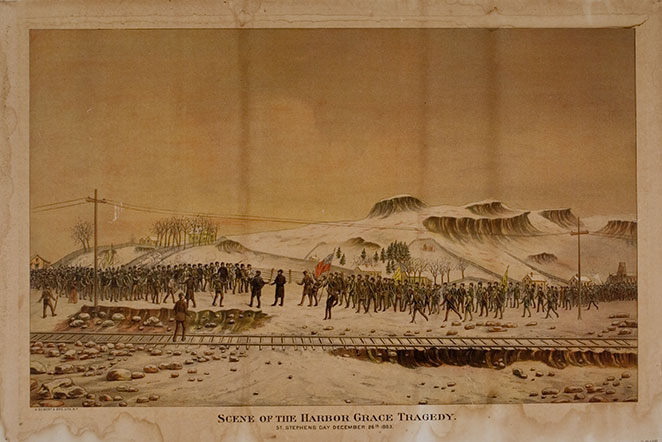
The Harbour Grace Affray was a lethal collision between a parading Orange order and a Catholic blocking crowd in the Newfoundland town of Harbour Grace on Saint Stephen’s Day, Boxing Day, 1883. Four men were killed. Seventeen were injured. Nineteen were charged in its aftermath. All nineteen were acquitted after a forty-seven-day trial in February 1884. The fallout helped bring down Premier Sir William Whiteway’s government in the 1885 election.
Newfoundland Orange parades shifted to Boxing Day
The Loyal Orange Association’s annual parade commemoration everywhere else in British North America was 12 July, the anniversary of William of Orange’s 1690 victory at the Boyne. In Newfoundland, by custom, the date had shifted to 26 December, Saint Stephen’s Day. The move reflected a weather pragmatism more than anything doctrinal: July in Newfoundland frequently meant the height of the inshore fishery, with Orange lodge members out on the grounds. Boxing Day was a Christian feast day, the men were ashore, and a winter march through a town’s streets was practicable in a way a July one often wasn’t.
The setting in Harbour Grace
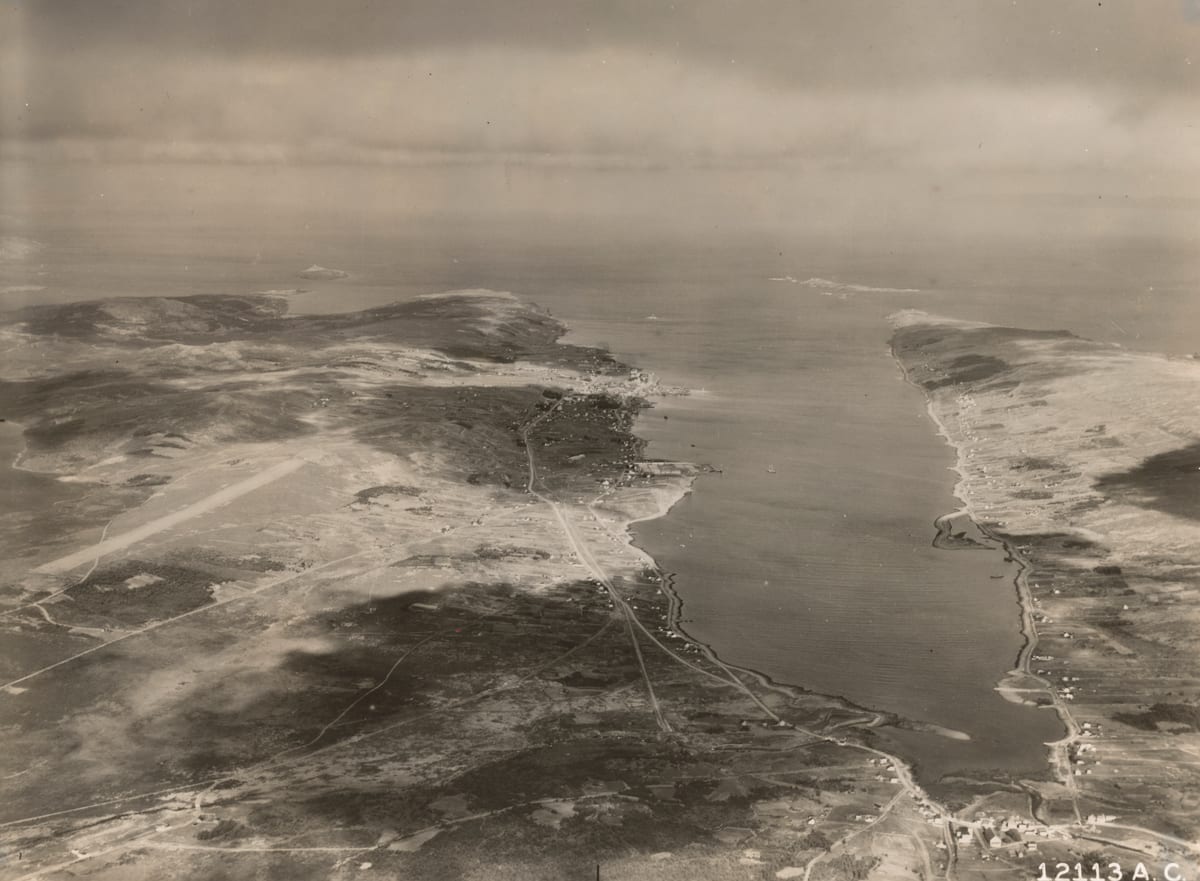
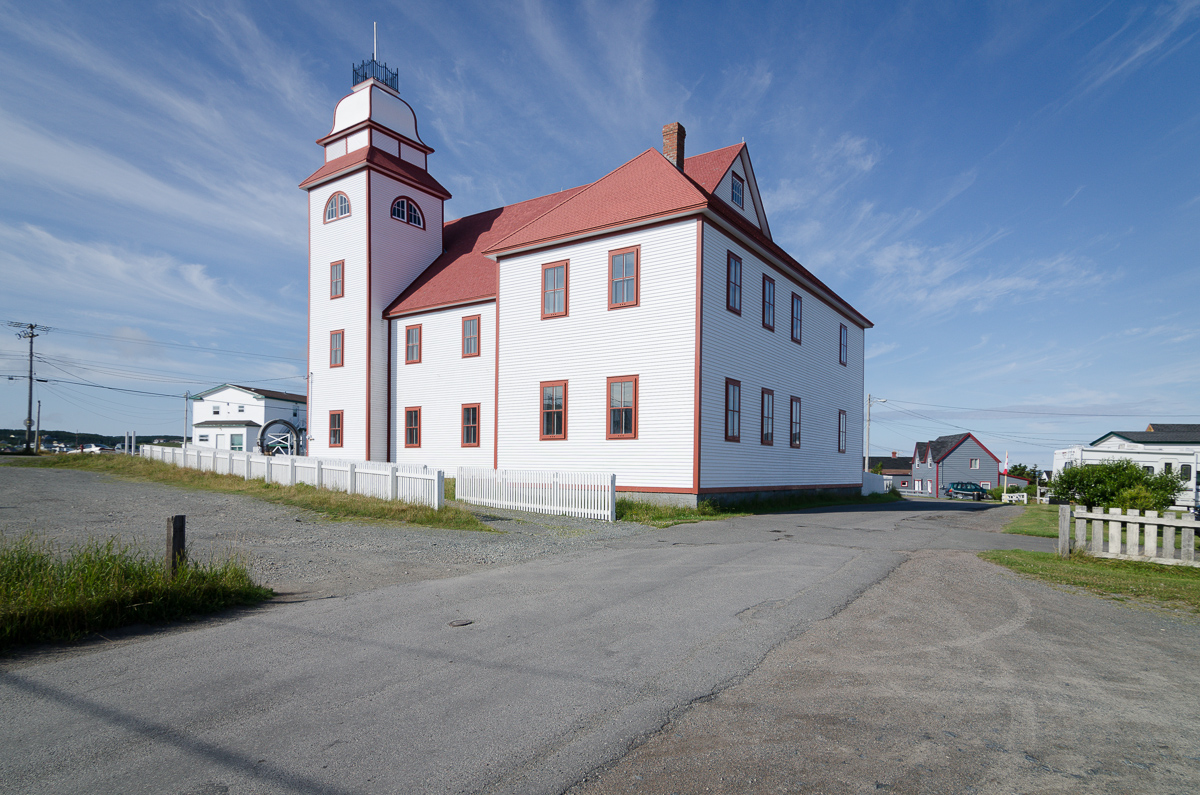
Harbour Grace in 1883 was the second-largest town in Newfoundland. It sat on the Conception Bay shore and combined a Protestant merchant establishment, a substantial Catholic community in the adjacent neighbourhood of Riverhead, and a labour force, on both sides, drawn from the Conception Bay inshore fishery. The Orange-Catholic demographic divide was sharper here than in St. John’s and ran along geographic lines, with the Riverhead road marking the rough boundary.
A history of sectarian violence
The 1883 affray was not Newfoundland’s first outbreak of election-season or holiday-season sectarian violence, and Harbour Grace itself was no stranger to it. The colony’s general election of 1861, fought along denominational lines with Catholics voting Liberal and Protestants voting Conservative, produced disorder serious enough that no election could be held in the Harbour Grace district at all that year. A separate clash the same spring at Salmon Cove, in the neighbouring Harbour Main district, killed one man and injured nine, and a crowd of roughly two thousand rioted outside the Colonial Building in St. John’s, leaving three more dead. The aftermath produced an unwritten rule of Newfoundland politics, a denominational compromise under which governments and parties tried to include members of every church, along with new laws protecting polling stations and a shift from soldiers to police for keeping public order at elections. Measured against that earlier violence, the 1883 Boxing Day affray was smaller in scale, but it showed that the compromise had contained the tension rather than resolved it: the same fault line that had closed the polls in Harbour Grace in 1861 reopened there twenty-two years later, on a religious holiday rather than an election day.
The parade, 26 December 1883
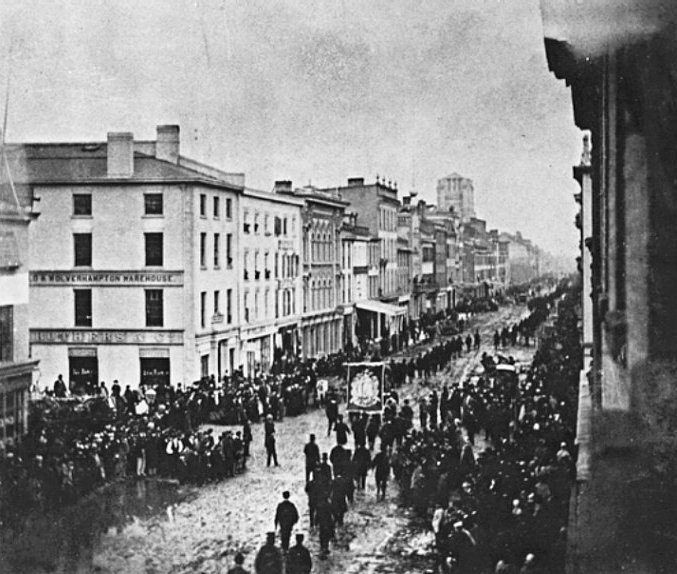
At roughly noon on 26 December 1883, a body of Orange lodge members, The Evening Telegram of St. John’s gave the number at between four and five hundred in its 27 December despatch, left their chapel service in orange sashes and carrying a Union Jack. Their route took them along the main street of Harbour Grace and began to advance onto ground that Catholic Riverhead residents regarded as theirs.
A Catholic crowd of roughly a hundred to a hundred and fifty formed across the road to block the parade. The February 1884 trial transcripts at the Rooms Provincial Archives record witness testimony placing firearms in the hands of men at the front of the Catholic crowd; other witnesses contested the assertion at trial. The Orange parade contained a number of constables, unarmed, who had been assigned to monitor the march.
Constable Edward Doyle, an Ulster Protestant, was later placed by witnesses in the middle of the confrontation, negotiating with both sides. He was accused in the subsequent trial of having drawn a firearm and killed Patrick Callahan, a Catholic from the blocking crowd. The accusation was disputed at trial.
In the gunfire and hand-to-hand fighting that followed, three Orange marchers, William French, William Janes, and Thomas Nicholas, were killed. A civilian bystander, John Bray, was also killed. A further seventeen men were injured seriously enough for their names to appear in the trial record. An unspecified number of Catholics from Riverhead also suffered injuries.
The trials, 1884
Nineteen men were charged with murder in the aftermath. Arraignments carried into January 1884 and the main trial opened in February. Proceedings ran for forty-seven days, an extraordinarily long criminal trial for the period and jurisdiction, and produced conflicting witness testimony on almost every material point. The prosecution’s case was repeatedly undercut by witnesses contradicting themselves between initial deposition and courtroom testimony; perjury was strongly suspected in several places. At the conclusion the jury acquitted all nineteen of the accused. Among the seventeen recorded injured, whose names survive in the contemporary press coverage, were John Webber, William Anthony, and Robert Lilly.
The February acquittals did not end the matter in the courts. A second trial, narrowed to the killing of William French alone, was ordered for November 1884. Protestant anger at the first verdicts had been running high enough that Governor John Hawley Glover took precautions ahead of it: the Royal Navy sloop HMS Tenedos was anchored in Harbour Grace harbour and an additional fifty police constables were posted in the town to keep order through the proceedings. The November jury reached the same result as the first: acquittal. Newfoundland’s courts had now tried the affray twice, for four deaths and seventeen recorded injuries, and convicted no one.
Political consequences
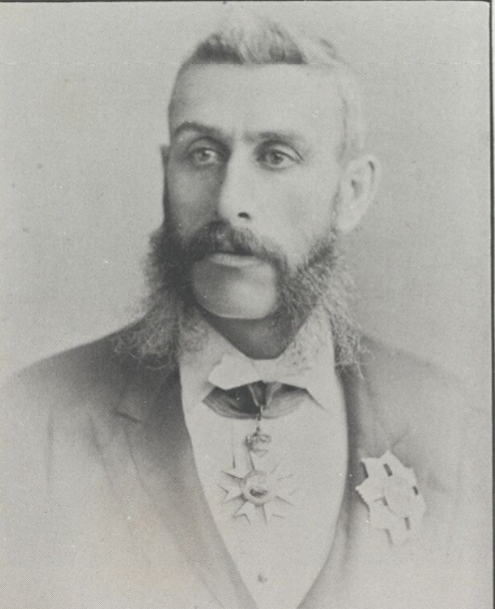
Newfoundland’s government at the time of the affray was led by Premier Sir William Whiteway, of the Reform Party. The Whiteway government’s handling of the Harbour Grace prosecutions, and the political backlash the verdicts produced on both sides, were significant factors in its loss of the 1885 general election to Robert Thorburn’s New Party, a sectarian-aligned Protestant-rights alliance that drew the Orange constituency openly. It was in that 1885 campaign that James Spearman Winter moved constituency from Burin to Harbour Grace itself, as Thorburn’s candidate, and first took up the Harbour Grace seat that he would hold for the next fifteen years.
Memory
The affray has kept its place in Newfoundland public history well past the 19th-century partisan alignment that produced it. Pat Collins’s The Harbour Grace Affray (DRC Publishing, 2023) reads the event as a pivot in Newfoundland’s civic self-understanding rather than as a victory for either side; CBC News’s 26 December 2023 anniversary feature took the same line. The Town of Harbour Grace carries the episode on its municipal heritage pages.
Trace Your Orange Roots
Surname matches, haplogroup placement, and living relatives. FamilyTreeDNA's testing kits pick up where archival records end.
Affiliate links. We earn a small commission at no cost to you. Full disclosure →
Sources
- The Harbour Grace Affray — Wikipedia
- Rooms Provincial Archives of Newfoundland and Labrador — Affray trial transcripts, 1884 — Original trial record of the February 1884 proceedings against the nineteen accused.
- The Evening Telegram (St. John's), 27 December 1883 – March 1884 — Contemporary press of record. Covers the affray itself, arraignments, trials, and the verdicts.
- Pat Collins. The Harbour Grace Affray. DRC Publishing, 2023. — Book-length contemporary popular treatment; useful for a non-academic summary.
- 'How a Boxing Day riot in the 1880s changed Newfoundland politics' — CBC News, 26 December 2023 — Anniversary feature summarising the state of current scholarship, including the November 1884 retrial on the killing of William French.
- The Harbour Grace Affray — Evening Telegram contemporary account, transcribed — Names of the injured and additional detail on Governor Glover's security measures ahead of the November 1884 retrial. Verified July 2026.
- 'The Election Riots of 1861' — Heritage Newfoundland and Labrador — Background on the 1861 election riots, including the cancelled Harbour Grace poll and the resulting denominational compromise. Verified July 2026.
Further reading
As an Amazon Associate we earn from qualifying purchases. Full disclosure →
- The Harbour Grace Affray — Pat Collins, DRC Publishing, 2023. Accessible narrative history.
- A History of Newfoundland and Labrador — Frederick W. Rowe. McGraw-Hill Ryerson, 1980.
- Violence in Newfoundland Society — Research collection on 19th-century Newfoundland sectarian and communal violence.