Orange Order in Newfoundland: History and Orangemen's Day
Elinor Senior’s study of the Orange Order in Newfoundland, cited by the Dictionary of Canadian Biography, traces its origin to 1863. By 1873 Orangemen played a significant part in elections, and a deadly clash at Harbour Grace in December 1883 reshaped colonial politics. Orangemen’s Day is still a paid holiday for provincial government employees: Monday, 13 July in 2026.
The record has more politics than parades. In 1885 Orangemen helped break the premier’s alliance with the Catholic Liberals, and the lodge halls built between 1875 and 1908 now stand on heritage registers.
When did the Orange Order come to Newfoundland?
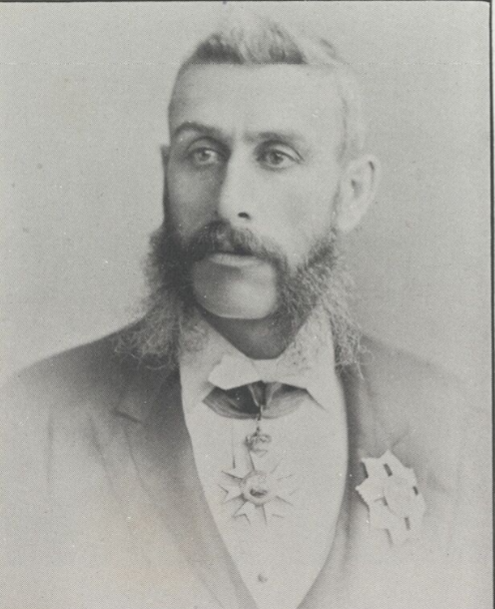
The usual date is 1863. That is the first year in the title of Elinor Kyte Senior’s 1959 Memorial University master’s thesis, The origin and political activities of the Orange Order in Newfoundland, 1863-1890, which the Dictionary of Canadian Biography (DCB) cites in its entries for Kent, McNeily, Shea and Winter. The DCB entries themselves supply the people. Alexander McNeily, later a speaker of the assembly, was an officer of the first St. John’s lodge and was eventually elected grand master in Newfoundland. By 1873 James Spearman Winter, a St. John’s lawyer, was master of Royal Oak Lodge in St. John’s, and he served as provincial grand master from 1878 to 1885. The DCB also says that after the 1869 election a group of younger men in Frederic Carter’s Conservative party, McNeily and William Whiteway among them, began to raise Fenian and sectarian scares and to cultivate links with the Order.
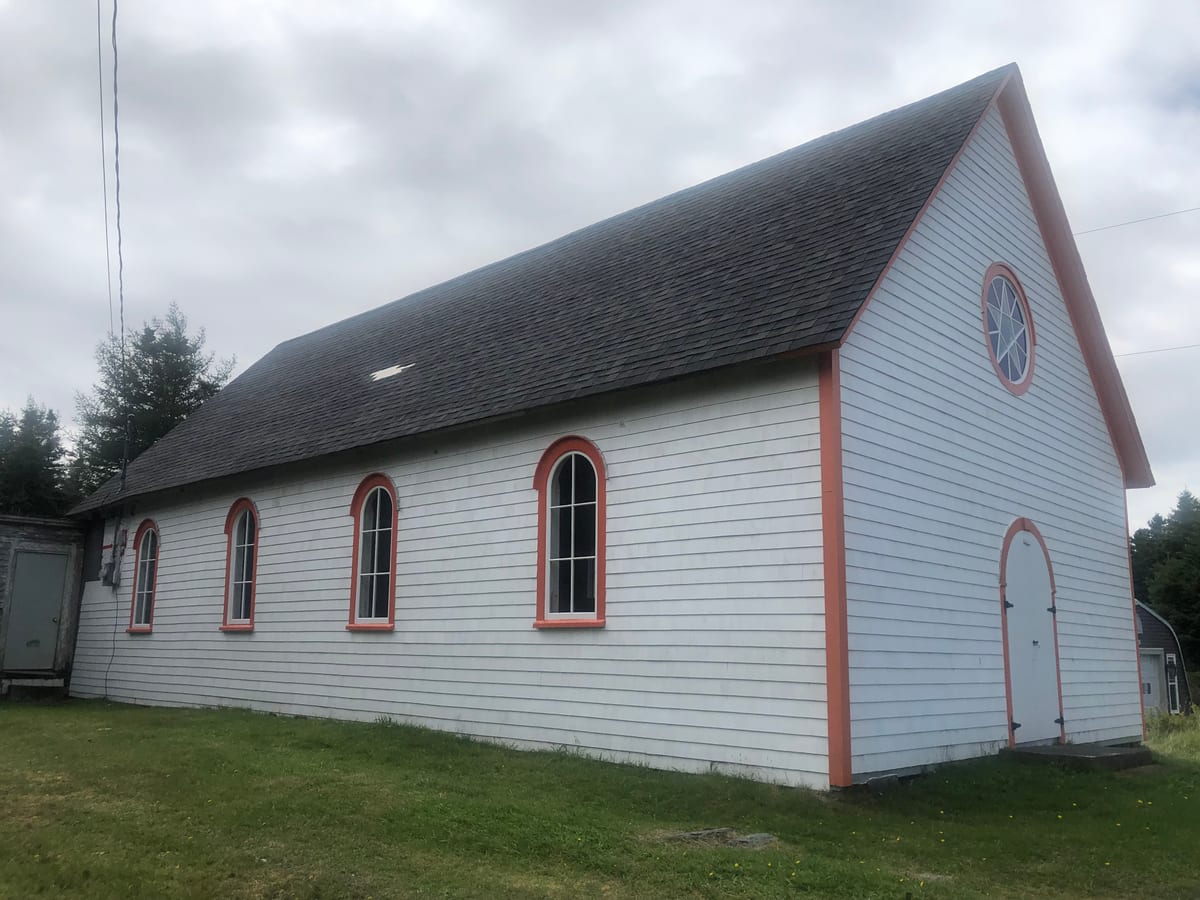
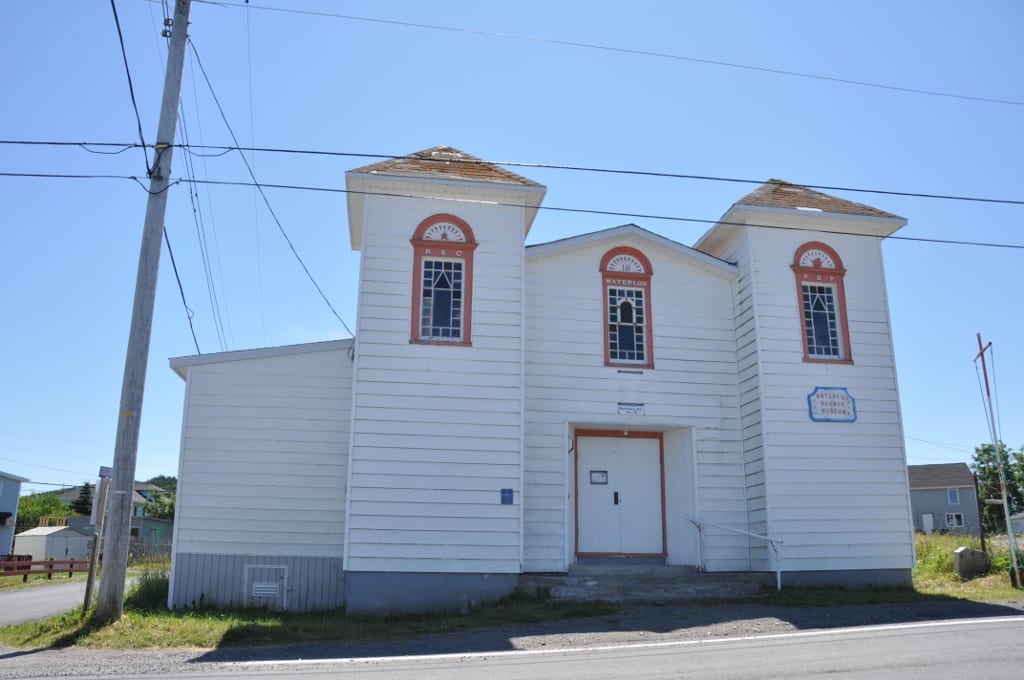
Lodge numbers hint at the order of arrival. Residents of Middle Bight at Kelligrews walked to Portugal Cove in the 1870s for Lodge Derry 8 before building their own hall, Prince of Orange 23, in 1875. Heart and Hand 9 stands at Green’s Harbour, and Waterloo 18 at New Perlican.
How big was the Order in Newfoundland?
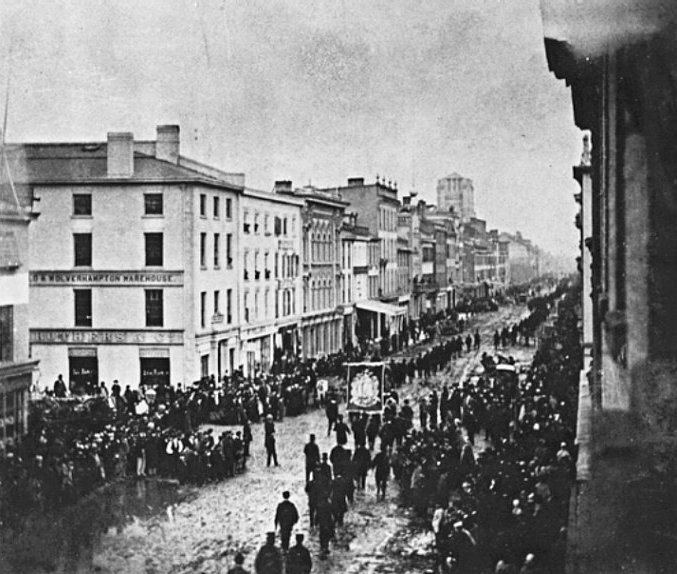
Big enough to rival Ulster, if Heritage NL is right. Its register entry for the Bonavista lodge, L.O.L. 4, says the lodge had 475 members in the early twentieth century, the largest membership of any Orange lodge in North America, and that Newfoundland’s Orange membership rivalled that of counties in Ulster. A local history of Bell Island records a parade of 500 in 1911 and 400 in 1933, and a lodge that supplied Christmas dinners to 56 families in 1931. Heritage NL dates the rapid decline to the 1960s, and the national overview tells the Canadian side of that story.
A dated timeline of the Order in Newfoundland
| Year | What happened | Source |
|---|---|---|
| 1863 | The start year of Elinor Senior’s 1959 Memorial University thesis on the Order’s origin and politics in Newfoundland, which the DCB cites in four entries. | DCB bibliographies (Kent, McNeily, Shea, Winter) |
| 1870 | A St. John’s newspaper calls Alexander McNeily, an officer of the first St. John’s lodge, the apparent link between the Order and the defeated confederation supporters. | DCB, McNeily |
| 1873 | James Spearman Winter, master of Royal Oak Lodge in St. John’s, wins Burin. Orangemen play an unusually active part in the election, and Ambrose Shea is later returned unopposed for Harbour Grace in January 1874, allegedly through the lodge. | DCB, Winter and Shea |
| 1875 | Middle Bight, at Kelligrews, decides to build a new lodge, Prince of Orange L.O.L. 23. Its warrant went to the first master, Charles Haines, from Grand Master M. Bonnell. In the 1870s members had walked to Portugal Cove for Lodge Derry 8. | Canada’s Historic Places |
| 1878 to 1885 | Winter serves as provincial grand master. | DCB, Winter |
| Spring 1883 | The Grand Lodge approves McNeily’s motion for a political committee, and by autumn it has sent resolutions to every lodge. | DCB, McNeily |
| December 1883 | The Harbour Grace affray. | DCB, Whiteway and Kent |
| 1884 and 1885 | Nineteen Catholics are tried for murder in two trials and acquitted. Early in 1885 Orangemen in the assembly move an amendment calling the trials a disgraceful failure of justice. | DCB, Whiteway and Kent |
| Autumn 1885 | Robert Thorburn’s Reform party wins a sectarian election. Winter is elected for Harbour Grace at the apparent request of the local lodge. | DCB, Thorburn and Winter |
| About 1907 | Bonavista’s L.O.L. 4 is built. In the early twentieth century it has 475 members. | Heritage NL |
| 1908 | Lord Nelson L.O.L. 149 is built at Woody Point. The register’s construction-date field says 1900, and its heritage-value text says 1908. | Canada’s Historic Places |
| 1910 | Happy Home Lodge, L.O.A. 2210, forms on Bell Island. Its 1911 parade lines up 500 strong. | Historic Wabana |
| 1931 | The Bell Island lodge supplies Christmas dinners to 56 families and fruit and candy to 300 children. | Historic Wabana |
| 1960s | Heritage NL dates a rapid decline to this decade. | Heritage NL |
| 1997 to 1999 | Bonavista (1997), Woody Point (1998) and Kelligrews (1999, municipal) are designated heritage buildings. | Heritage NL, Canada’s Historic Places |
| 2026 | Orangeman’s Day falls on Monday, 13 July, a paid holiday for provincial government employees. | Treasury Board Secretariat |
What happened at Harbour Grace in 1883?
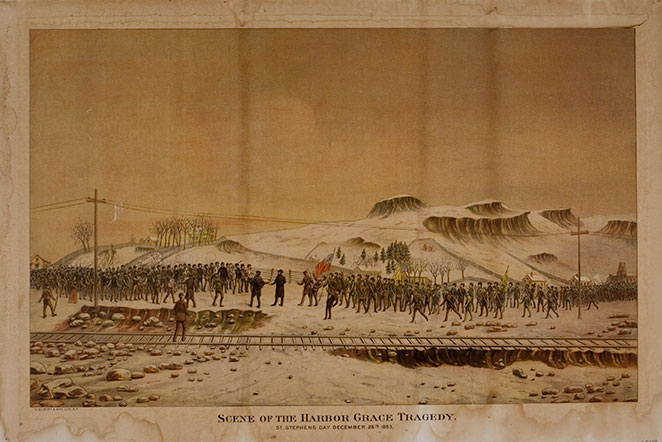
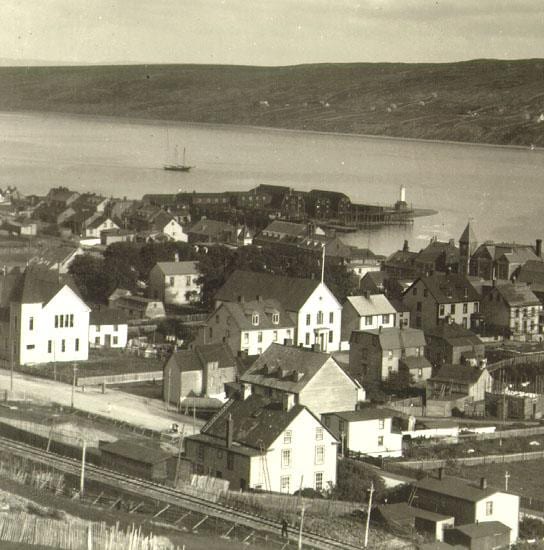
Orangemen and Catholics clashed, and the colony’s politics split along religious lines. This site’s event page describes an Orange parade meeting a blocking crowd in December 1883, and the DCB calls it an Orange-Catholic affray. The DCB’s own entries disagree on the toll: the entry for Whiteway says nineteen Catholics were charged with the murder of four Orangemen, and the entry for Robert John Kent says five persons were killed. The event page’s sources give seventeen injured.
Whiteway, the premier, and Winter acted as Crown prosecutors. Two trials ended in acquittals, which destroyed the Conservative-Liberal coalition, according to the DCB. The political committee the Orange order formed in 1883, dominated by McNeily, then allied with the New party, and in February 1885 Orangemen and New party members combined to break Whiteway’s alliance with the Catholic Liberals. Thorburn’s Reform party won the autumn election after a campaign the DCB calls virulently sectarian.
Is Orangemen’s Day a holiday in Newfoundland and Labrador?
Yes, for provincial government employees. The Treasury Board Secretariat’s holiday policy says employees are entitled to be paid for 14 designated holidays a year, lists Orangemen’s Day among them, and applies to all employees of government departments. Its 2026 schedule puts Orangeman’s Day on Monday, 13 July. Whether the Labour Standards Act requires private employers to give the day is a separate question, and the Orangemen’s Day page reports that the Act’s list of paid public holidays leaves it out.
Bell Island’s local history describes parades led by a rider as King Billy on a white horse, and says Orangemen’s Day is observed in Newfoundland as a provincial holiday, though not a statutory one, on the nearest Monday.
Which Orange halls still stand in Newfoundland?
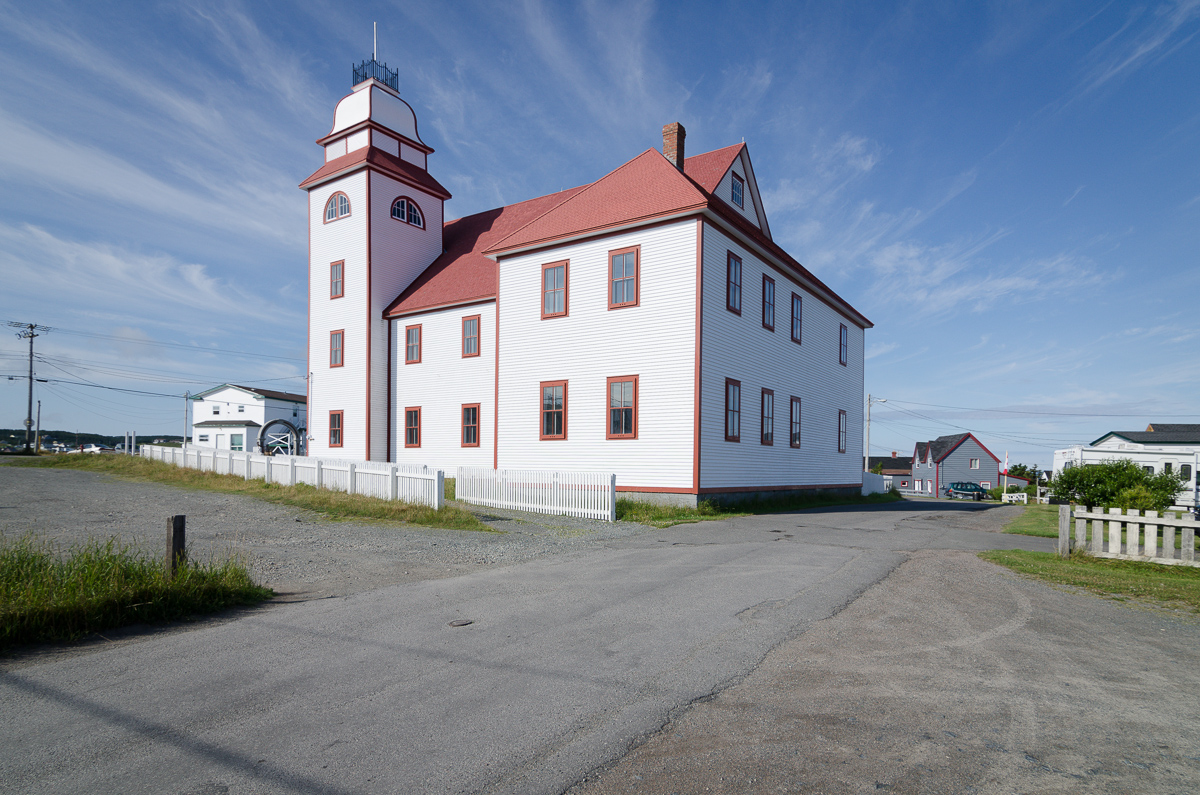
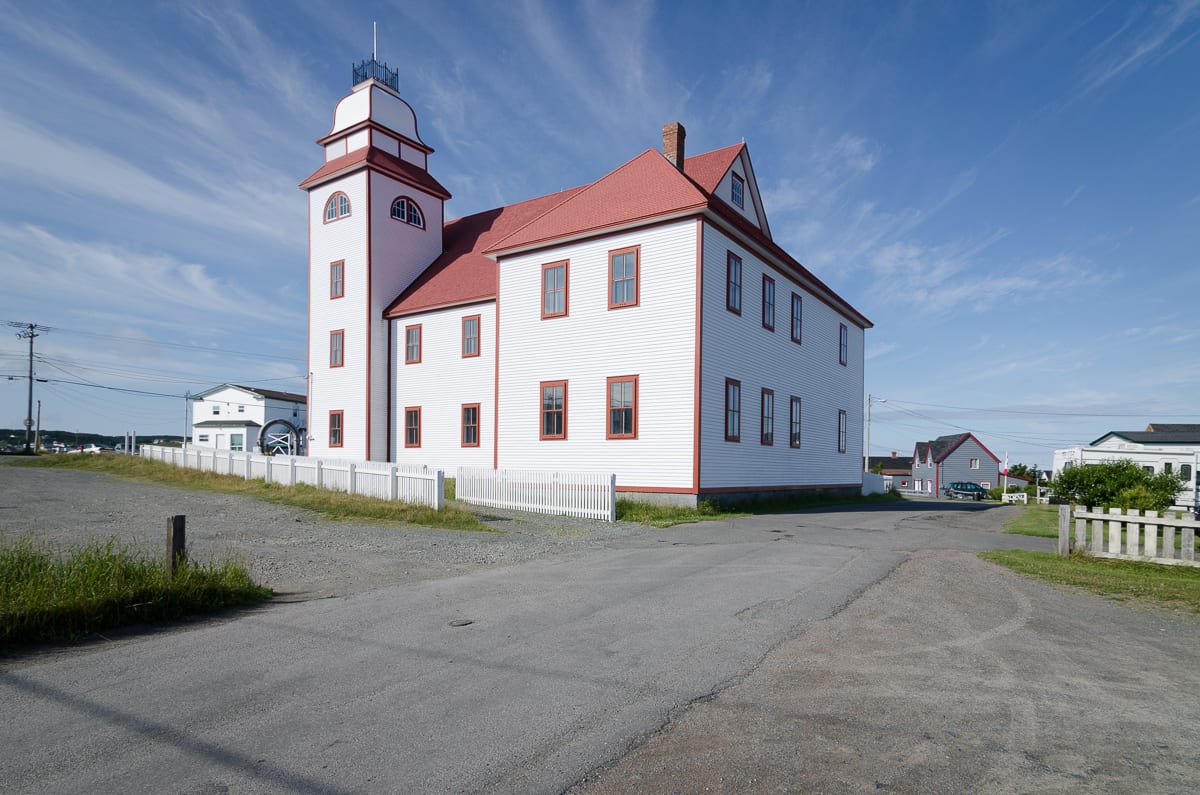
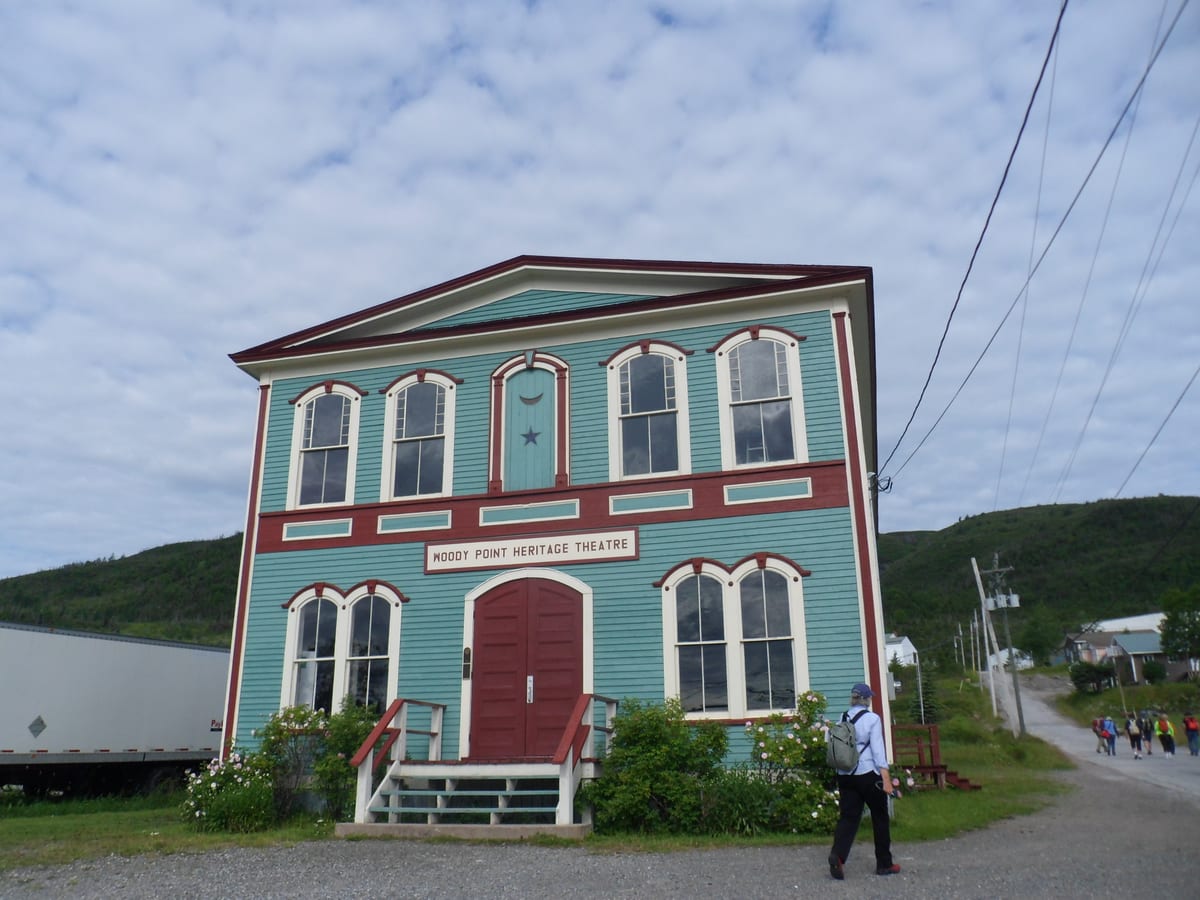
Several, and the heritage registers have recorded them. Bonavista’s L.O.L. 4 was built about 1907 by Ronald Strathie and designated a Registered Heritage Structure in 1997. Lord Nelson L.O.L. 149 at Woody Point, in Gros Morne National Park, was designated in 1998, and the register’s text gives its construction as 1908. Prince of Orange L.O.L. 23 at Kelligrews, in Conception Bay South, was designated a municipal heritage building in 1999.
The Order’s other bodies had Newfoundland branches too. The Bell Island history names a Ladies’ Orange Benevolent Association formed in 1915, the Orange Young Britons’ Prince of Wales Lodge, organized in June 1919, and Royal Black Preceptory Wabana Chapter 1249, in which one member reached the eleventh degree in 1958. The Royal Black Preceptory page explains that senior body. In Ontario the Order built an institution of its own, the Loyal True Blue and Orange Home at Richmond Hill, which opened in 1923.
Trace Your Orange Roots
Surname matches, haplogroup placement, and living relatives. FamilyTreeDNA's testing kits pick up where archival records end.
Affiliate links. We earn a small commission at no cost to you. Full disclosure →
Sources
- Senior, Elinor Kyte. The origin and political activities of the Orange Order in Newfoundland 1863-1890. M.A. thesis, Memorial University of Newfoundland, 1959. — The repository record for the thesis, whose title gives 1863 as the starting year. The DCB entries for Kent, McNeily, Shea and Winter cite it.
- Dictionary of Canadian Biography: McNEILY, ALEXANDER JAMES WHITEFORD — McNeily as officer of the first St. John's lodge and later grand master; the July 1870 newspaper description of him as link to the confederation side; the spring 1883 political committee.
- Dictionary of Canadian Biography: WINTER, Sir JAMES SPEARMAN — Master of Royal Oak Lodge in St. John's by 1873, provincial grand master from 1878 to 1885, the Orange role in the 1873 and 1885 elections, the February 1885 break of Whiteway's alliance with the Catholic Liberals, and the prosecutions after Harbour Grace.
- Dictionary of Canadian Biography: WHITEWAY, Sir WILLIAM VALLANCE — Nineteen Catholics charged with the murder of four Orangemen, the acquittal in two trials, and the collapse of the Conservative-Liberal coalition.
- Dictionary of Canadian Biography: KENT, ROBERT JOHN — Says five persons were killed in the December 1883 riot at Harbour Grace, and records acquittals in each of two trials in 1884 and 1885.
- Dictionary of Canadian Biography: SHEA, Sir AMBROSE — Orangemen's role in the 1873 election and Shea's unopposed return for Harbour Grace in January 1874.
- Dictionary of Canadian Biography: THORBURN, Sir ROBERT — The sectarian Reform campaign of 1885.
- Dictionary of Canadian Biography: CARTER, Sir FREDERIC BOWKER TERRINGTON — The younger Conservatives' effort after the 1869 election to cultivate links with the Orange order.
- Heritage NL: Loyal Orange Lodge LOL #4 Registered Heritage Structure, Bonavista — Built about 1907 by Ronald Strathie; designated 1997; 475 members in the early twentieth century; Newfoundland membership rivalled Ulster counties; rapid decline in the 1960s.
- Canada's Historic Places: Lord Nelson Loyal Orange Lodge #149, Woody Point — Heritage-value text dates construction to 1908 (the construction-date field reads 1900); designated 17 October 1998; crescent and star above the entrance.
- Canada's Historic Places: Prince of Orange Loyal Orange Lodge #23 Municipal Heritage Building, Kelligrews — The 1875 decision to build, the first master Charles Haines, Grand Master M. Bonnell, Lodge Derry 8 at Portugal Cove, and the 1999 municipal designation.
- Hussey-Weir, Gail. 'Loyal Orange Association', Historic Wabana — Happy Home Lodge, L.O.A. 2210, formed on Bell Island in 1910; parades of 500 in 1911 and 400 in 1933; Christmas dinners for 56 families in 1931; the Orange Young Britons of 1919; the Wabana Royal Black Preceptory chapter; Orangemen's Day as a provincial, not statutory, holiday.
- Treasury Board Secretariat, Government of Newfoundland and Labrador: Holiday Policy — Employees are entitled to be paid for 14 designated holidays a year, including Orangemen's Day; the policy applies to all employees of government departments.
- Treasury Board Secretariat, Government of Newfoundland and Labrador: 2026 Paid Holidays — Lists Orangeman's Day on Monday, 13 July 2026.
Further reading
As an Amazon Associate we earn from qualifying purchases. Full disclosure →
- The Sash Canada Wore: A Historical Geography of the Orange Order in Canada — Houston and Smyth, University of Toronto Press, 1980. Places the Newfoundland lodges within the Order's wider geography.
- The Harbour Grace Affray — Pat Collins, DRC Publishing, 2023. A book-length account of the 1883 clash.