Orangemen's Day in Canada
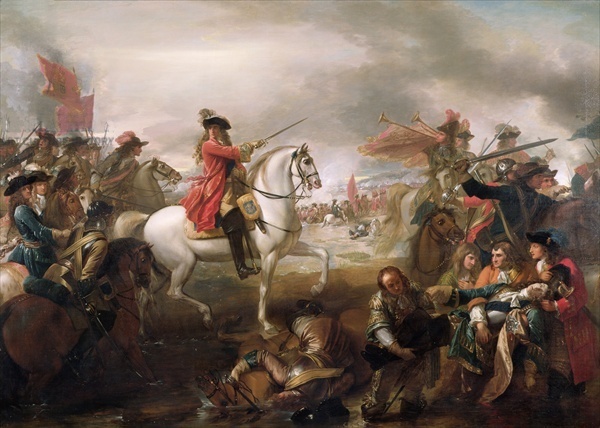
Orangemen’s Day falls on 12 July. It marks the 1690 Battle of the Boyne, where the Protestant William of Orange defeated the Catholic James II, and for most of the 19th and 20th centuries it was the great public set-piece of the Orange Order in Canada: a day of parades, sashes, and banners that doubled as a political rally. Today it is observed officially in only one Canadian province.
Where the date comes from
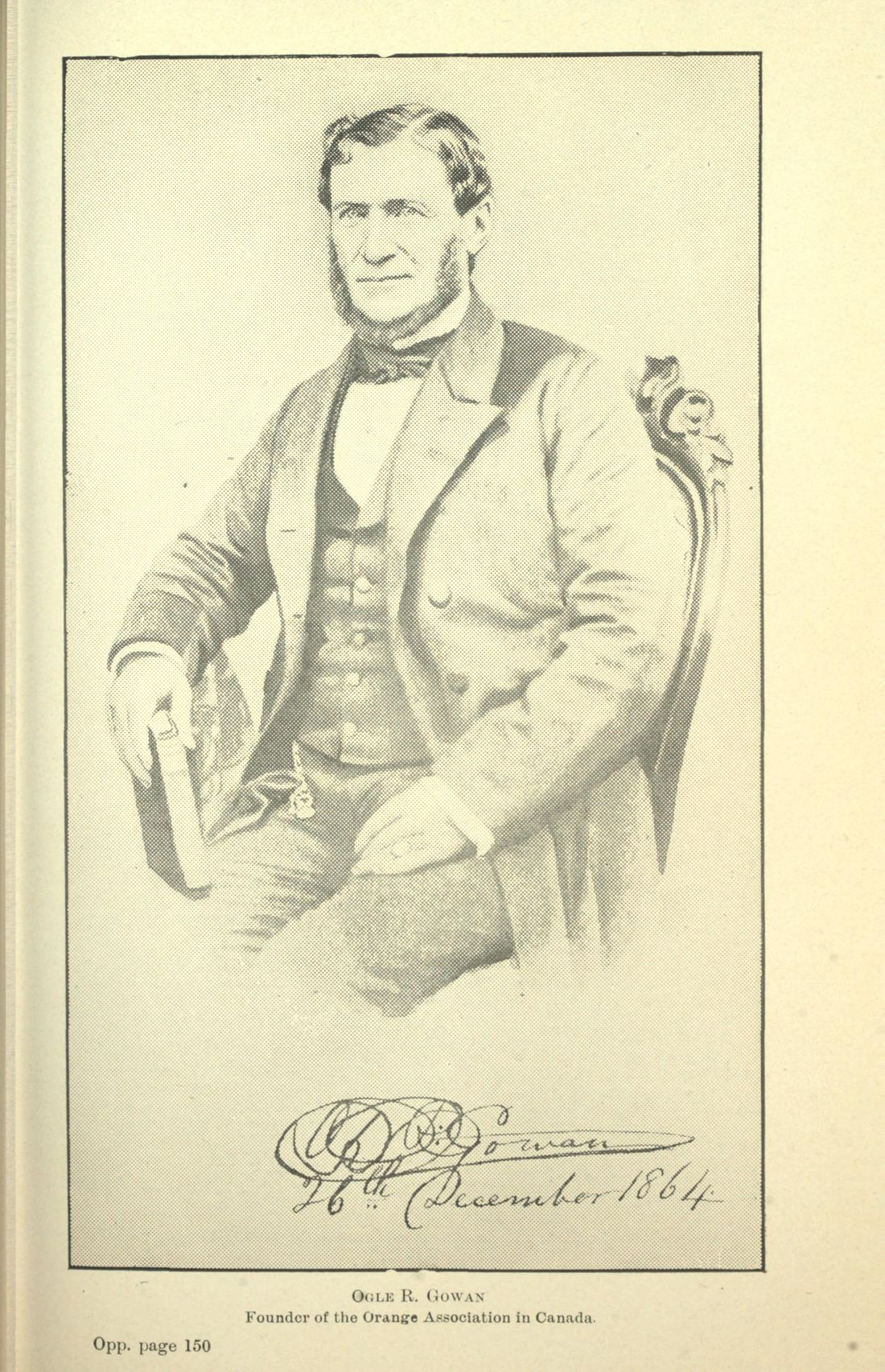
The battle itself was fought on 1 July 1690 by the old Julian calendar, on the banks of the River Boyne near Drogheda in what is now the Republic of Ireland. William’s victory secured the Protestant succession in the three kingdoms, and Irish Orangemen began marking the anniversary within a generation. When Britain and its colonies adopted the Gregorian calendar in 1752, the date drifted forward, and the commemoration settled on 12 July. Orangemen have called it “the Twelfth” ever since.
The Twelfth in Canada
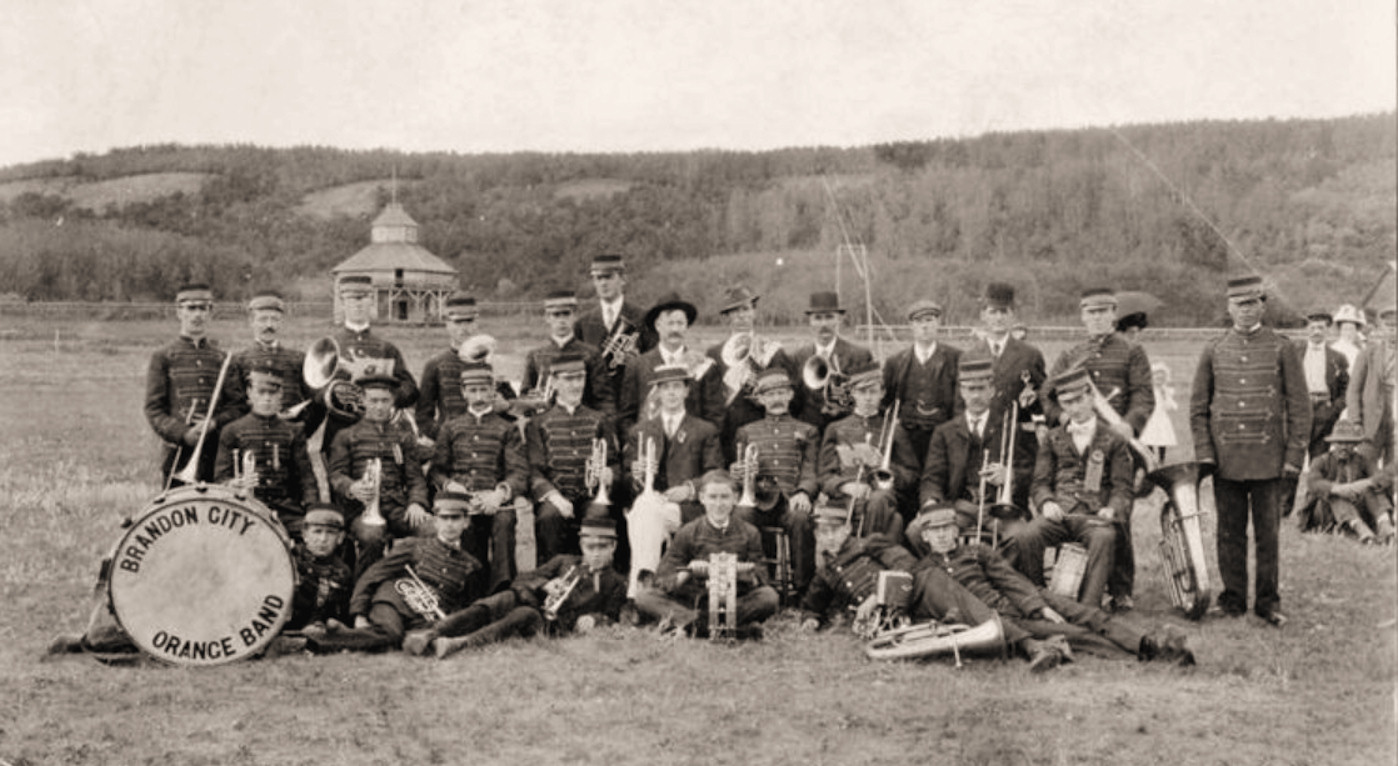
Toronto chartered its first Orange lodge in 1830, the same year the Canadian Order was founded at Brockville, and the city’s Twelfth grew into one of the largest annual processions in North America. Members marched their neighbourhood routes and converged on City Hall or Queen’s Park in orange sashes, behind fife-and-drum bands and painted banners showing scenes from the Boyne and the scriptures. A rider dressed as King William, mounted on a white horse, often led the column. Parades ran on the same pattern in the Ottawa Valley, across rural Ontario, on the southern Prairies, and in the Maritimes wherever lodges had taken root.
The Twelfth’s standing in Toronto was never just ceremonial. Six of the city’s ten aldermen were Orangemen as early as 1844, and for most of the 19th century roughly twenty of Toronto’s twenty-three mayors belonged to the Order, a dominance that gave the city its old nickname, “the Belfast of North America.” The pattern held into the Second World War: as late as 1942, sixteen of Toronto’s twenty-three city councillors were Orange lodge members. It did not break until the 1954 municipal election, when Nathan Phillips defeated the sitting Orange grand master, Leslie Howard Saunders, for the mayoralty.
Peak and decline
Membership rose through the second half of the 19th century and crested around 1920, when Canada and the Dominion of Newfoundland together counted roughly two thousand lodges and about one hundred thousand members, making Canada the largest Orange jurisdiction anywhere outside the United Kingdom. The postwar decline was fast and came from several directions at once: a more secular Canada made the old Protestant-Catholic line feel beside the point, the fading of the British imperial connection took the air out of the Order’s founding purpose, and the postwar welfare state absorbed much of what a fraternal society like the LOA had once provided its members directly. National lodge counts fell from roughly twelve hundred across the country in 1890 to 323 by 2000, only 134 of those in Ontario and 116 in Newfoundland, a decline of more than seventy percent in little over a century. A much smaller Glorious Twelfth parade still marches through Toronto’s east end most summers, organized by the city’s surviving lodges: a fraction of the crowds Orange Toronto once drew, but an unbroken thread back to the 1830 original.
Newfoundland’s distinctive observance
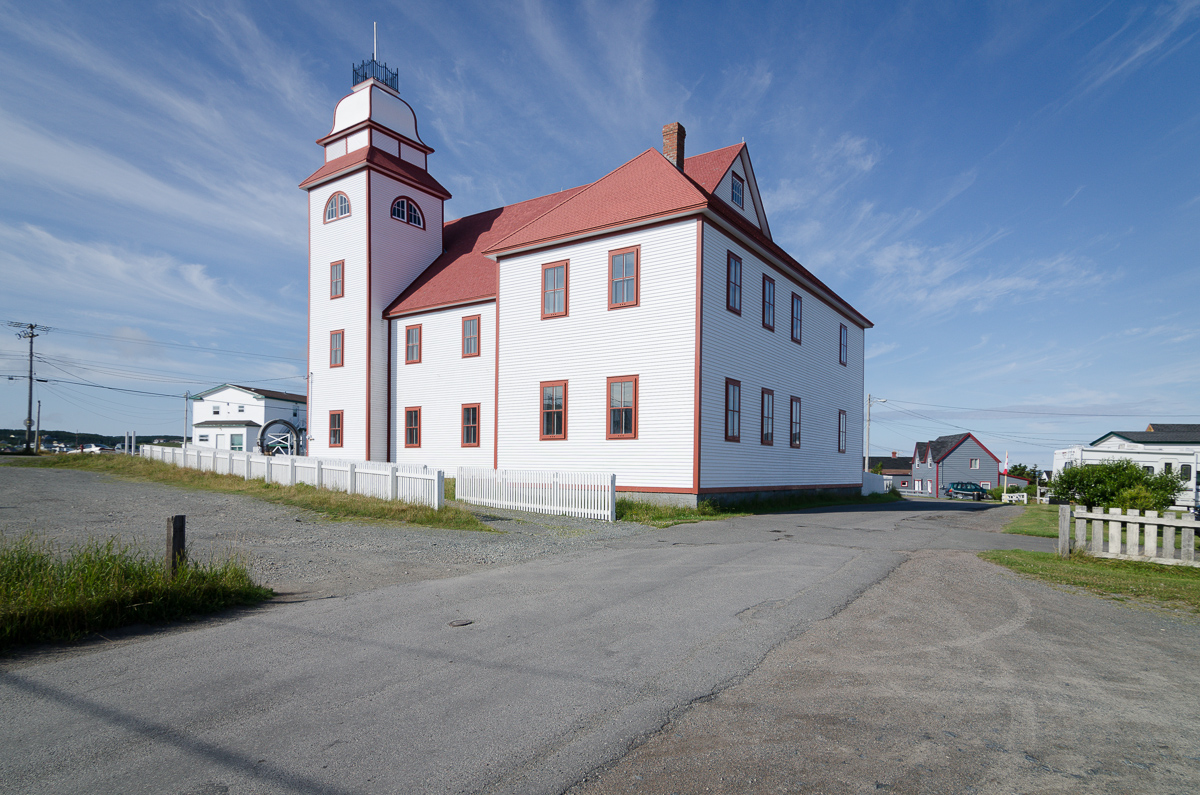
Nowhere did the day sink deeper into ordinary life than in Newfoundland. In the outports, where the churches and their associated bodies ran most of public and social life, the Loyal Orange Lodge was often the largest building in the community after the church itself. The halls at Bonavista, Woody Point, and Herring Neck still stand as registered heritage structures. By the end of the 19th century Orange parades were a fixture of the Newfoundland summer.
The fishery complicated the calendar. In some communities the height of the inshore season fell across mid-July, with the men out on the grounds rather than ashore to march. Harbour Grace and a number of other towns moved their parade to 26 December, Saint Stephen’s Day, a Christian feast when the boats were in and a winter procession through the streets was practical. That winter custom produced the Harbour Grace Affray of 1883, the deadliest sectarian clash in Newfoundland history, when a Boxing Day Orange parade met a blocking crowd and four men were killed. The Order arrived on Prince Edward Island along the same Atlantic routes, though the Island never gave the Twelfth the official standing it kept in Newfoundland.
Is Orangemen’s Day a statutory holiday?
Not in the strict sense, and the distinction is worth getting right. Newfoundland and Labrador’s Labour Standards Act sets six paid public holidays that every employer must observe: New Year’s Day, Good Friday, Memorial Day (Canada Day), Labour Day, Remembrance Day, and Christmas Day. Orangemen’s Day is not one of them.
What it is, as of 2026, is a paid government holiday. The provincial Treasury Board’s holiday policy lists Orangemen’s Day among the fourteen paid holidays for public-service employees, and the 2026 schedule observes it on Monday, 13 July, the Monday nearest the Twelfth. The provincial government, many municipalities, banks, and a good share of private employers close, while others stay open. That makes Newfoundland and Labrador one of the very few places outside Northern Ireland where 12 July is still an official day off, a survival of the Order’s old standing in the province long after its parades elsewhere in Canada faded.
Every schedule the Treasury Board has published since 2022 puts the day on the Monday nearest 12 July:
| Year | 12 July falls on | Observed by the provincial public service |
|---|---|---|
| 2022 | Tuesday | Monday, 11 July |
| 2023 | Wednesday | Monday, 10 July |
| 2024 | Friday | Monday, 15 July |
| 2025 | Saturday | Monday, 14 July |
| 2026 | Sunday | Monday, 13 July |
| 2027 | Monday | Monday, 12 July (projected, not yet published) |
| 2028 | Wednesday | Monday, 10 July (projected, not yet published) |
2022 to 2026 are from the Treasury Board Secretariat’s paid holiday schedules, which spell it “Orangeman’s Day”. The holiday policy itself sets no date rule, so 2027 and 2028 follow the pattern until their schedules are published.
The policy carries two administrative wrinkles worth noting. Hospital and other institutional support staff work under a shorter schedule of nine designated holidays rather than fourteen, and Orangemen’s Day is among the five dropped from that reduced list. And any employee, regardless of faith or background, may ask to swap a statutory holiday, Orangemen’s Day included, for a day of cultural or religious significance to them instead, provided the request is filed with the employer by 15 November of the preceding year.
Newfoundland’s Twelfth is a fraction of the tradition it descends from. Northern Ireland still treats the date as the biggest fixture on the Orange Order’s marching calendar, with parades in all six counties and participation that dwarfs anything left in Canada. What Newfoundland and Labrador preserves is not the scale of the original observance but its institutional status: a place on the government calendar that the Twelfth lost everywhere else in North America generations ago.
Trace Your Orange Roots
Surname matches, haplogroup placement, and living relatives. FamilyTreeDNA's testing kits pick up where archival records end.
Affiliate links. We earn a small commission at no cost to you. Full disclosure →
Sources
- Government of Newfoundland and Labrador, Treasury Board Secretariat — Holiday Policy — Lists Orangemen's Day among the fourteen paid government holidays. Verified May 2026.
- Treasury Board Secretariat — 2026 Paid Holidays schedule
- Treasury Board Secretariat, 2025 Paid Holidays schedule
- Treasury Board Secretariat, 2024 Paid Holidays schedule
- Treasury Board Secretariat, 2023 Paid Holidays schedule
- Treasury Board Secretariat, 2022 Paid Holidays schedule — Orangeman's Day observed Monday, 13 July 2026. Verified May 2026.
- Government of Newfoundland and Labrador — Issues Addressed by the Labour Standards Act — The Labour Standards Act sets six paid public holidays for all employers; Orangemen's Day is not among them. Verified May 2026.
- Heritage Newfoundland and Labrador — Outports — Documents the Loyal Orange Lodge as a central social institution in outport community life.
- Benjamin West, 'William III at the Battle of the Boyne' (1781) — Wikimedia Commons — Illustration source; public domain.
- 'Orange Order in Canada', The Canadian Encyclopedia — National lodge-count and membership-decline figures. Verified July 2026.
- 'Orange Order in Canada' — Wikipedia — Toronto aldermanic and mayoral membership figures, 1920 peak lodge count, and the 1954 Phillips-Saunders mayoral election. Verified July 2026.