Toronto Mayors by Year, 1834 to 1972, and the Orange Order
Fifty-five men held the mayoralty of Toronto between 1834 and 1972, and the tables below give each year’s mayor. Eight are documented as Orangemen, by reference works or, for Leslie Saunders, his own memoir. An earlier website’s page names sixteen more. For the other thirty-one, the record is silent, mixed or points the other way.
The claim is old, and it travels. Toronto was the Belfast of Canada, the story runs, a nickname that became the title of William Smyth’s 2015 book, and its mayors came out of the lodge. Some did. Edward Frederick Clarke, a printer who edited the Orange Sentinel, became Deputy Grand Master of the Order in British America and was mayor from 1888 to 1891. Others did not, and for most of them the record says nothing at all. In 1854 the mayor was Joshua George Beard. In 1897 Robert John Fleming resigned in August to become assessment commissioner and John Shaw took the chair. The tables give every other year.
How many Toronto mayors were Orangemen?
Wikipedia’s article on the Order in Canada says that over the rest of the nineteenth century, after 1844, twenty of twenty-three mayors would be Orangemen, and that every mayor in the first half of the twentieth century was one. Its article on Nathan Phillips goes further and says every mayor since Thomas David Morrison’s appointment in 1836 had belonged to the Order. This site’s pages on the Order in Canada and Orangemen’s Day once repeated figures of the same kind.
Neither Wikipedia article gives a list of names. A count without a list cannot be checked, so the tables below build the list. The City of Toronto’s chronological list supplies the 55 men and their years. It also suggests where “twenty of twenty-three” comes from: twenty-three men held the office between 1845 and 1899, counting George Gurnett’s second term. Of those twenty-three, the Dictionary of Canadian Biography, Landmarks of Toronto and the 1898 and 1907 biographical dictionaries document four as Orangemen (Boulton, Medcalf, Clarke and Shaw), and the earlier site’s page adds three (Harman, Beaty and Kennedy). Gurnett had Orange ties in the 1830s and broke with them by 1844. That is seven, or eight with Gurnett, and nowhere near twenty.
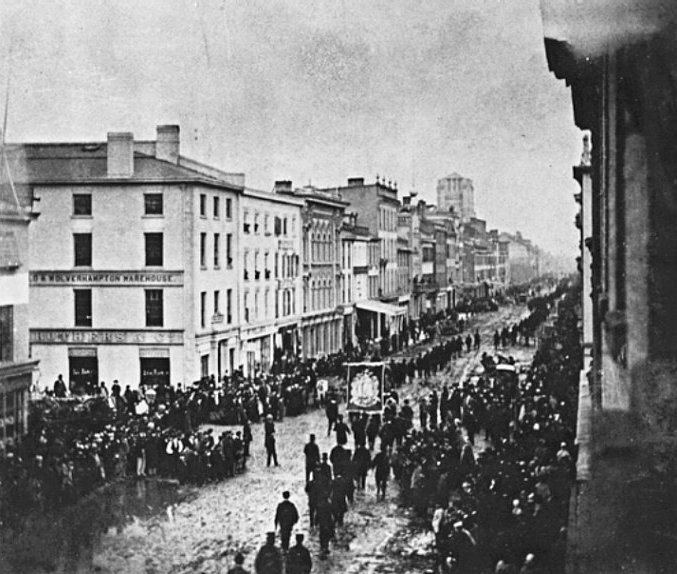
For 1901 to 1950, nineteen men first took the chair. Three are documented (Coatsworth, Geary and Hocken), eight more appear only on the earlier site’s page, one was photographed in an Orange parade, one is recorded in Landmarks as not a member of the Association, and six have no source either way. That measures paper, not lodges: a mayor missing here may well have signed the roll. What the tables can show is how much of the famous count survives contact with a source.
What counts as documented?
Four kinds of evidence sit behind the label. The DCB is scholarly and names membership outright for William Henry Boulton and Francis Henry Medcalf. Robertson’s Landmarks of Toronto, volume 6 (1914), records Orange membership or office for Medcalf, Coatsworth, Geary and Hocken. The Canadian Men and Women of the Time (1898) and the Commemorative Biographical Record of the County of York (1907) place Clarke and Shaw in the Order. Leslie Saunders, mayor in 1954, titled his own memoir An Orangeman in Public Life (Britannia Printers, 1970). Those eight are labelled Documented.
The next source is a 2016 capture of the earlier Canadian Orange Historical Site, which carried a page of Toronto mayoral profiles. It places sixteen more mayors in the Order, twelve of them with a lodge number, none of whom the sources above place there. The current site is not an organ of the Order, and nothing on that page says who wrote it, so its lodge numbers are treated as claims. It also does not always match what it paraphrases. Its profile of Samuel Bickerton Harman calls him an Orangeman, then paraphrases the DCB entry on his Masonic career, and that DCB entry never mentions the Order. Those sixteen are labelled “Earlier site’s page only”.
“Not documented” means the DCB, Landmarks, the two biographical dictionaries and the earlier site’s page are silent on a man’s membership. It does not mean non-member. Two men are labelled “Outside the Order”: Thomas Urquhart, whom Landmarks records as not a member of the Association, and Nathan Phillips.
Who was mayor of Toronto from 1834 to 1863?
Adam Wilson, in 1859, was the first mayor elected by the people, according to Landmarks of Toronto, which says an Act of Parliament in 1858 changed how the mayor was chosen. Two mayors held the office in 1858, and the table lists both.
| Year | Mayor | Orange membership |
|---|---|---|
| 1834 | William Lyon Mackenzie | Not documented |
| 1835 | Robert Baldwin Sullivan | Not documented |
| 1836 | Thomas David Morrison | Not documented |
| 1837 | George Gurnett | Former ties |
| 1838 | John Powell | Not documented |
| 1839 | John Powell | Not documented |
| 1840 | John Powell | Not documented |
| 1841 | George Monro | Earlier site’s page only |
| 1842 | Henry Sherwood | Earlier site’s page only |
| 1843 | Henry Sherwood | Earlier site’s page only |
| 1844 | Henry Sherwood | Earlier site’s page only |
| 1845 | William Henry Boulton | Documented |
| 1846 | William Henry Boulton | Documented |
| 1847 | William Henry Boulton | Documented |
| 1848 | George Gurnett | Former ties |
| 1849 | George Gurnett | Former ties |
| 1850 | George Gurnett | Former ties |
| 1851 | John George Bowes | Not documented |
| 1852 | John George Bowes | Not documented |
| 1853 | John George Bowes | Not documented |
| 1854 | Joshua George Beard | Not documented |
| 1855 | George William Allan | Not documented |
| 1856 | John Beverley Robinson | Not documented |
| 1857 | John Hutchison | Not documented |
| 1858 | William Henry Boulton / David Breakenridge Read | Documented / Not documented |
| 1859 | Adam Wilson | Not documented |
| 1860 | Adam Wilson | Not documented |
| 1861 | John George Bowes | Not documented |
| 1862 | John George Bowes | Not documented |
| 1863 | John George Bowes | Not documented |
Of the fifteen men here, only Boulton is documented. The earlier site’s page puts George Monro and Henry Sherwood in the ranks in 1841, but the DCB, which describes Orangemen disrupting the Reform parade that March and Orange backing for Sherwood’s campaigns, never says either man belonged. Gurnett’s DCB entry is the most useful of the group: it shows a mayor who helped the Order’s leader and later tried to stop the Order’s parade.
Who was mayor of Toronto from 1864 to 1913?
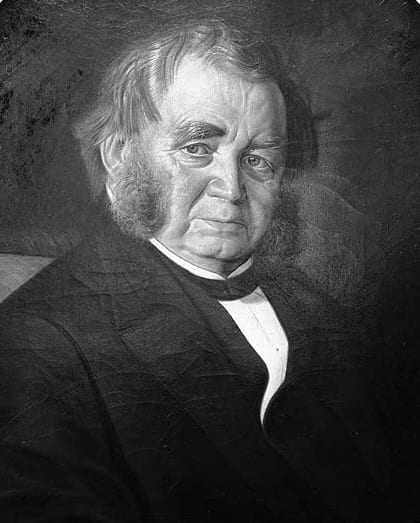
Medcalf won the chair for 1864 on the separate school fight. The DCB says a coalition of Liberals, Orangemen and Tories brought him forward against the incumbent, John George Bowes. Council picked the mayor again from 1867 under an Act of 1866, and Medcalf returned only when election by the people was restored in 1874. His own page is here.
| Year | Mayor | Orange membership |
|---|---|---|
| 1864 | Francis Henry Medcalf | Documented |
| 1865 | Francis Henry Medcalf | Documented |
| 1866 | Francis Henry Medcalf | Documented |
| 1867 | James Edward Smith | Not documented |
| 1868 | James Edward Smith | Not documented |
| 1869 | Samuel Bickerton Harman | Earlier site’s page only |
| 1870 | Samuel Bickerton Harman | Earlier site’s page only |
| 1871 | Joseph Sheard | Not documented |
| 1872 | Joseph Sheard | Not documented |
| 1873 | Alexander Manning | Not documented |
| 1874 | Francis Henry Medcalf | Documented |
| 1875 | Francis Henry Medcalf | Documented |
| 1876 | Angus Morrison | Not documented |
| 1877 | Angus Morrison | Not documented |
| 1878 | Angus Morrison | Not documented |
| 1879 | James Beaty, Jr. | Earlier site’s page only |
| 1880 | James Beaty, Jr. | Earlier site’s page only |
| 1881 | William Barclay McMurrich | Not documented |
| 1882 | William Barclay McMurrich | Not documented |
| 1883 | Arthur Radcliffe Boswell | Not documented |
| 1884 | Arthur Radcliffe Boswell | Not documented |
| 1885 | Alexander Manning | Not documented |
| 1886 | William Holmes Howland | Not documented |
| 1887 | William Holmes Howland | Not documented |
| 1888 | Edward Frederick Clarke | Documented |
| 1889 | Edward Frederick Clarke | Documented |
| 1890 | Edward Frederick Clarke | Documented |
| 1891 | Edward Frederick Clarke | Documented |
| 1892 | Robert John Fleming | Not documented |
| 1893 | Robert John Fleming | Not documented |
| 1894 | Warring Kennedy | Earlier site’s page only |
| 1895 | Warring Kennedy | Earlier site’s page only |
| 1896 | Robert John Fleming | Not documented |
| 1897 | Robert John Fleming / John Shaw | Not documented / Documented |
| 1898 | John Shaw | Documented |
| 1899 | John Shaw | Documented |
| 1900 | Ernest A. Macdonald | Not documented |
| 1901 | Oliver Aikin Howland | Not documented |
| 1902 | Oliver Aikin Howland | Not documented |
| 1903 | Thomas Urquhart | Outside the Order |
| 1904 | Thomas Urquhart | Outside the Order |
| 1905 | Thomas Urquhart | Outside the Order |
| 1906 | Emerson Coatsworth | Documented |
| 1907 | Emerson Coatsworth | Documented |
| 1908 | Joseph Oliver | Earlier site’s page only |
| 1909 | Joseph Oliver | Earlier site’s page only |
| 1910 | George Reginald Geary | Documented |
| 1911 | George Reginald Geary | Documented |
| 1912 | George Reginald Geary / Horatio Clarence Hocken | Documented / Documented |
| 1913 | Horatio Clarence Hocken | Documented |
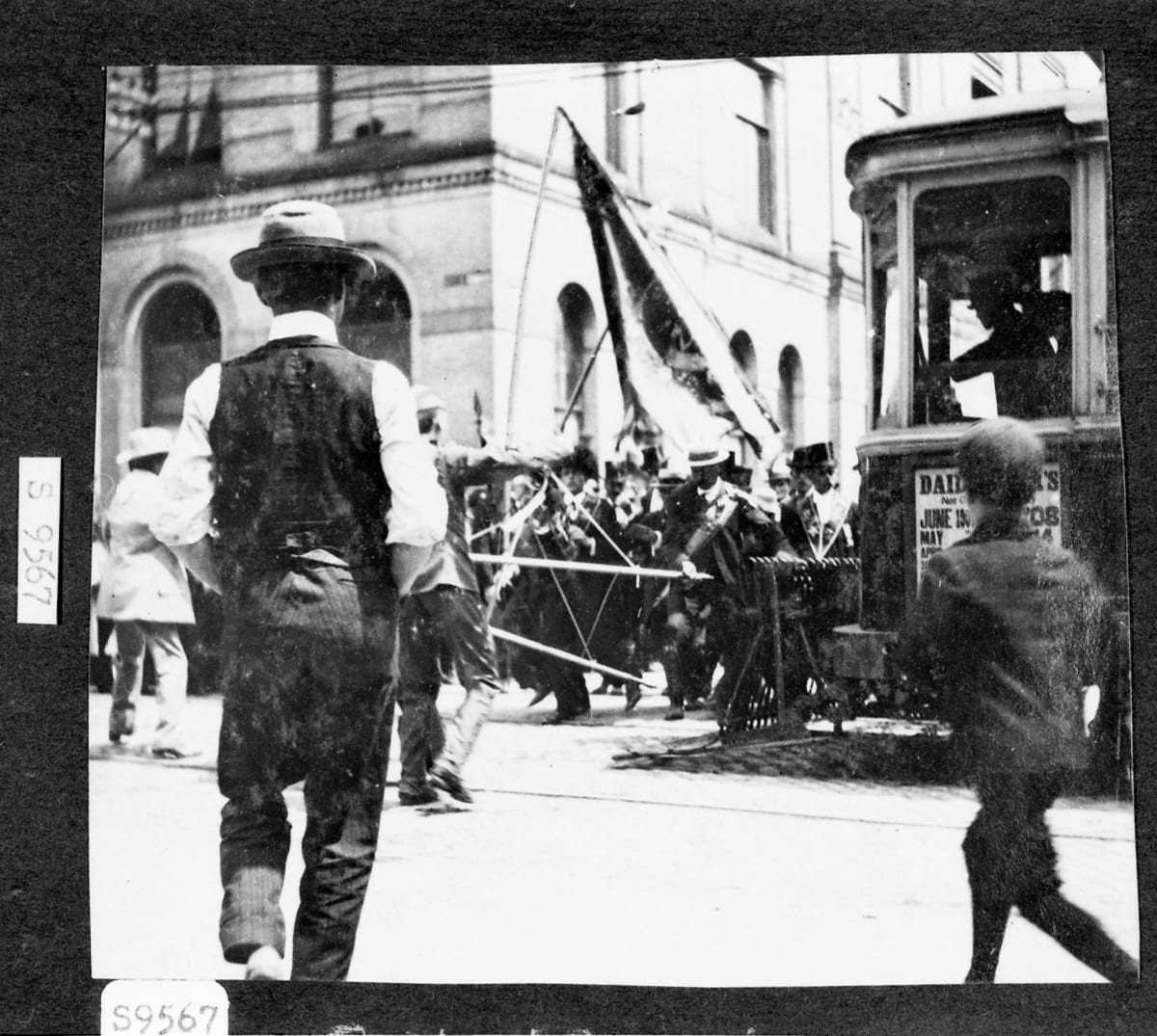
The documented mayors cluster after 1886. Clarke held the chair for four years, and Shaw was mayor when the new City Hall opened in 1899. Landmarks of Toronto also records that Fleming, mayor in 1892 and 1893 and again from 1896, became manager of the Toronto Railway Company in 1905. On the Twelfth of 1907 he insisted the streetcars keep running through the parade. Crowds tried to stop them, and County Master Joseph Thompson appealed to the young men in the procession and was not heeded. Emerson Coatsworth, mayor in 1906 and 1907, is documented too: Landmarks calls him an Orangeman who had angered the Order over the Remedial Bill in 1896, and the earlier site’s biography, recovered on this site, gives his lodge as L.O.L. 781. Thomas Urquhart, mayor from 1903 to 1905, is the instructive exception: on the Twelfth of 1904 he was called to the platform “though not a member of the Association,” as Landmarks puts it.
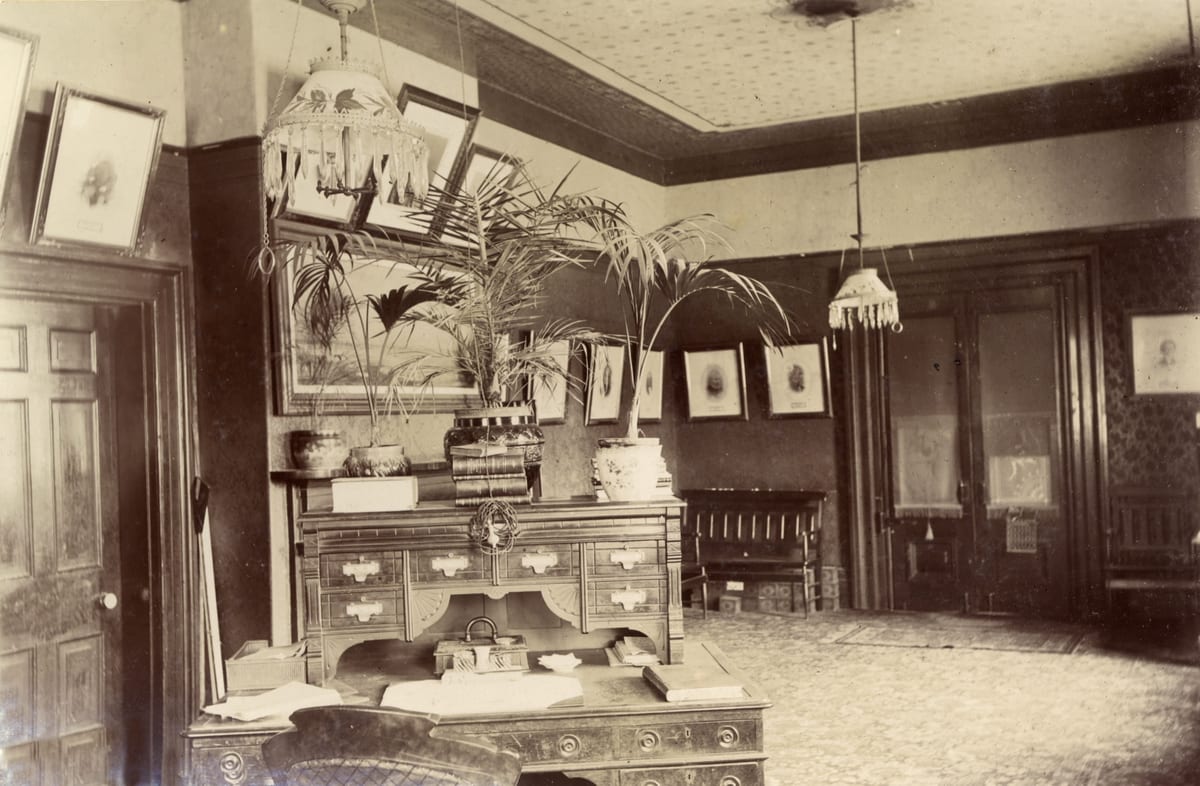
In 1910 George Reginald Geary won the chair and Horatio Hocken lost his bid for it, and Landmarks documents both as Orangemen. Hocken had bought the Orange Sentinel in 1905 and was Deputy Grand Treasurer of the Grand Orange Lodge of British North America. Geary resigned the mayoralty on 21 October 1912 to become corporation counsel, and council chose Hocken the same day to finish the term. Hocken’s biography covers the Grand Lodge office he took afterward, and the DCB entry for him is marked not yet available.
Who was mayor of Toronto from 1914 to 1972?
Thomas Langton Church held the office for seven years, 1915 to 1921, longer than anyone before him in the table. The earlier site’s page names his lodge, Royal Canadian L.O.L. 212, and the DCB, Landmarks and the biographical dictionaries do not mention him in the Order.
| Year | Mayor | Orange membership |
|---|---|---|
| 1914 | Horatio Clarence Hocken | Documented |
| 1915 | Thomas Langton Church | Earlier site’s page only |
| 1916 | Thomas Langton Church | Earlier site’s page only |
| 1917 | Thomas Langton Church | Earlier site’s page only |
| 1918 | Thomas Langton Church | Earlier site’s page only |
| 1919 | Thomas Langton Church | Earlier site’s page only |
| 1920 | Thomas Langton Church | Earlier site’s page only |
| 1921 | Thomas Langton Church | Earlier site’s page only |
| 1922 | Charles Alfred Maguire | Earlier site’s page only |
| 1923 | Charles Alfred Maguire | Earlier site’s page only |
| 1924 | William Wesley Hiltz | Earlier site’s page only |
| 1925 | Thomas Foster | Parade photo only |
| 1926 | Thomas Foster | Parade photo only |
| 1927 | Thomas Foster | Parade photo only |
| 1928 | Samuel McBride | Earlier site’s page only |
| 1929 | Samuel McBride | Earlier site’s page only |
| 1930 | Bert Sterling Wemp | Not documented |
| 1931 | William James Stewart | Earlier site’s page only |
| 1932 | William James Stewart | Earlier site’s page only |
| 1933 | William James Stewart | Earlier site’s page only |
| 1934 | William James Stewart | Earlier site’s page only |
| 1935 | James Simpson | Earlier site’s page only |
| 1936 | Samuel McBride / William Dullam Robbins | Earlier site’s page only / Earlier site’s page only |
| 1937 | William Dullam Robbins | Earlier site’s page only |
| 1938 | Ralph Day | Not documented |
| 1939 | Ralph Day | Not documented |
| 1940 | Ralph Day | Not documented |
| 1941 | Frederick Joseph Conboy | Not documented |
| 1942 | Frederick Joseph Conboy | Not documented |
| 1943 | Frederick Joseph Conboy | Not documented |
| 1944 | Frederick Joseph Conboy | Not documented |
| 1945 | Robert Hood Saunders | Not documented |
| 1946 | Robert Hood Saunders | Not documented |
| 1947 | Robert Hood Saunders | Not documented |
| 1948 | Robert Hood Saunders / Hiram E. McCallum | Not documented / Not documented |
| 1949 | Hiram E. McCallum | Not documented |
| 1950 | Hiram E. McCallum | Not documented |
| 1951 | Hiram E. McCallum | Not documented |
| 1952 | Allan A. Lamport | Earlier site’s page only |
| 1953 | Allan A. Lamport | Earlier site’s page only |
| 1954 | Allan A. Lamport / Leslie Howard Saunders | Earlier site’s page only / Documented |
| 1955 | Nathan Phillips | Outside the Order |
| 1956 | Nathan Phillips | Outside the Order |
| 1957 | Nathan Phillips | Outside the Order |
| 1958 | Nathan Phillips | Outside the Order |
| 1959 | Nathan Phillips | Outside the Order |
| 1960 | Nathan Phillips | Outside the Order |
| 1961 | Nathan Phillips | Outside the Order |
| 1962 | Nathan Phillips | Outside the Order |
| 1963 | Donald Dean Summerville / Philip Gerald Givens | Earlier site’s page only / Not documented |
| 1964 | Philip Gerald Givens | Not documented |
| 1965 | Philip Gerald Givens | Not documented |
| 1966 | Philip Gerald Givens | Not documented |
| 1967 | William Dennison | Earlier site’s page only |
| 1968 | William Dennison | Earlier site’s page only |
| 1969 | William Dennison | Earlier site’s page only |
| 1970 | William Dennison | Earlier site’s page only |
| 1971 | William Dennison | Earlier site’s page only |
| 1972 | William Dennison | Earlier site’s page only |
The twentieth century is where the sweeping claims are boldest and the documentation thinnest. Eight of the nineteen men who first took office between 1901 and 1950 appear only on the earlier site’s page. The 1927 photograph of Mayor Foster in the Twelfth parade is real, and a mayor riding in a parade does not prove a lodge card. Leslie Saunders, mayor in 1954, is the clearest case of a mayor in public Orange life: the earlier site’s page gives his initiation into L.O.L. 876 in 1918, and his memoir is titled An Orangeman in Public Life. Wikipedia’s article on Saunders calls Nathan Phillips, in office from 1955, the first non-Orangeman in the twentieth century to be mayor of Toronto, and the first Jewish mayor, though Landmarks records Urquhart, mayor from 1903 to 1905, as not a member. Wikipedia’s article on the Order names William Dennison, mayor from 1967 to 1972, as the last Orangeman to hold the office, and the earlier site’s page gives his lodge as Enniskillen L.O.L. 387.
The evidence, mayor by mayor
Every man with a label other than “Not documented” appears here with the specific lines behind it. “The DCB” means the Dictionary of Canadian Biography, “Landmarks” means Robertson’s Landmarks of Toronto, and “the earlier site’s page” means the 2016 capture of the earlier Canadian Orange Historical Site’s page of Toronto mayoral profiles.
| Mayor | Label | What the sources say |
|---|---|---|
| William Henry Boulton | Documented | DCB: lawyer, politician and Orangeman, risen from the mastership of a Toronto lodge to deputy grand master of British North America in 1854. The earlier site’s page adds mastership of L.O.L. 387 in 1858. |
| Francis Henry Medcalf | Documented | DCB: millwright, ironfounder, Orangeman and politician. Landmarks of Toronto (1914) names him first County Master of Toronto and a prominent member of the Order. |
| Edward Frederick Clarke | Documented | Canadian Men and Women of the Time (1898): deputy grand master of the Order in British America since May 1887 and Grand Treasurer of the Grand Orange Lodge of Ontario. The 1907 County of York record: late Grand Treasurer of the Grand Orange Lodge of Ontario West and editor of the Sentinel. |
| John Shaw | Documented | The 1907 County of York record lists him as a Mason and as also connected with the C.O.F. and the Orangemen. The earlier site’s page names McKinley L.O.L. 275. |
| Emerson Coatsworth | Documented | Landmarks of Toronto (1914), p. 173, calls Emerson Coatsworth jr., then M.P. for East Toronto, an Orangeman in the 1896 contest the Order fought against him. The earlier site’s recovered biography gives L.O.L. 781. |
| George Reginald Geary | Documented | Landmarks of Toronto (1914): an Anglican, a Conservative, an Orangeman and a member of the Sons of England. The earlier site’s page names Cameron L.O.L. 613. |
| Horatio Clarence Hocken | Documented | Landmarks of Toronto (1914): bought the Orange Sentinel in June 1905 and was Deputy Grand Treasurer of the Grand Orange Lodge of British North America. The earlier site’s page names Lansdowne L.O.L. 469 and Queen City L.O.L. 857. The DCB entry is not yet written. |
| Leslie Howard Saunders | Documented | His own memoir is titled An Orangeman in Public Life (Britannia Printers, 1970; 1980 edition). The earlier site’s page gives initiation into L.O.L. 876 on 11 July 1918, and Wikipedia’s article on the 1954 election calls him an Orange leader and publisher of Protestant Action. |
| George Gurnett | Former ties | The DCB says he helped Orange leader Ogle Gowan defeat Mackenzie in 1836, then broke with his former Orange connections and was attacked when he tried to stop the Orange parade in 1844. In 1848, 1849 and 1850 his main opponent was an Orange leader, George Duggan. |
| George Monro | Earlier site’s page only | The earlier site’s page says he and Sherwood were members in 1841. The DCB records Orangemen disrupting the Reform parade of 21 March 1841 but does not call Monro one. |
| Henry Sherwood | Earlier site’s page only | The earlier site’s page says he was a member. The DCB says Gowan and the Orange order backed his campaigns; it does not say he belonged. |
| Samuel Bickerton Harman | Earlier site’s page only | The earlier site’s page calls him an Orangeman. Its next sentences track the DCB entry (master freemason from 1842, Knights Templar in 1854), and the DCB entry does not mention the Order. |
| James Beaty, Jr. | Earlier site’s page only | The earlier site’s page names Armstrong L.O.L. 137. The DCB anecdote about carrying the Orange flag in the first Toronto parade belongs to his uncle, James Beaty, not to the mayor. |
| Warring Kennedy | Earlier site’s page only | The earlier site’s page names Temperance L.O.L. 301 and calls him Clarke’s personal choice for mayor in 1894. |
| Joseph Oliver | Earlier site’s page only | The earlier site’s page names McKinley L.O.L. 275, master in 1903. Landmarks of Toronto has Controller Oliver presiding at that lodge’s Twelfth banquet in 1903. |
| Thomas Langton Church | Earlier site’s page only | The earlier site’s page names Royal Canadian L.O.L. 212. |
| Charles Alfred Maguire | Earlier site’s page only | The earlier site’s page names McKinley L.O.L. 275 and R.B.P. 292. |
| William Wesley Hiltz | Earlier site’s page only | The earlier site’s page names Gideon’s Chosen Few L.O.L. 342 and R.B.P. 292. |
| Samuel McBride | Earlier site’s page only | The earlier site’s page names Queen City L.O.L. 857. |
| William James Stewart | Earlier site’s page only | The earlier site’s page names him a past master of L.O.L. 657 and a member of L.O.L. 3271. |
| James Simpson | Earlier site’s page only | The earlier site’s page names no lodge, but calls his 1935 opponent Harry Hunt a fellow Orangeman, which implies Simpson’s membership. |
| William Dullam Robbins | Earlier site’s page only | The earlier site’s page names Boyne L.O.L. 173. |
| Allan A. Lamport | Earlier site’s page only | The earlier site’s page names Ulster Black Watch L.O.L. 675. |
| Donald Dean Summerville | Earlier site’s page only | The earlier site’s page names Riverdale L.O.L. 2097 and says his father, an alderman, was an Orangeman. |
| William Dennison | Earlier site’s page only | The earlier site’s page names Enniskillen L.O.L. 387. |
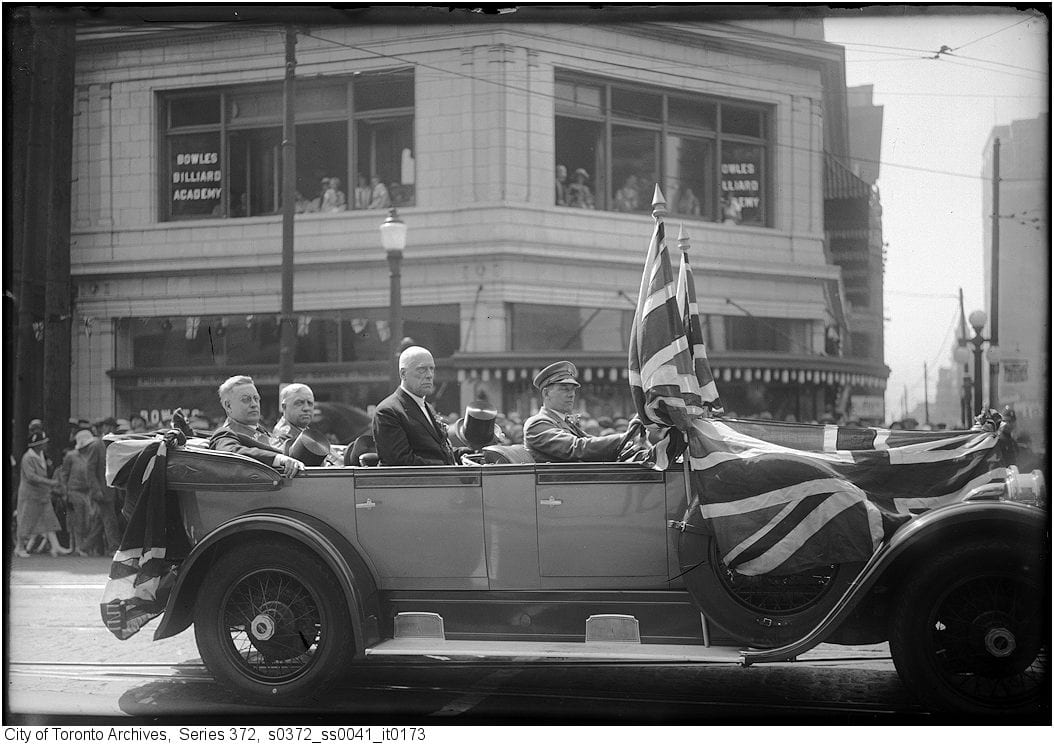
| Thomas Foster | Parade photo only | A City of Toronto Archives photograph is titled Mayor Thomas Foster in Orange Parade, 12 July 1927. Riding in a parade is not a lodge record, and the earlier site’s page has no entry for him. |
| Thomas Urquhart | Outside the Order | Landmarks of Toronto (1914), on the Twelfth of 1904: Mayor Thomas Urquhart, though not a member of the Association, was called to the platform and made a spirited address. |
| Nathan Phillips | Outside the Order | Wikipedia’s article on Leslie Saunders calls Phillips the first non-Orangeman in the twentieth century to be mayor of Toronto and the first Jewish mayor. Landmarks records Urquhart, mayor from 1903 to 1905, as not a member, so “first in the twentieth century” does not hold. |
The twenty-seven men with no entry above are Mackenzie, Sullivan, Thomas David Morrison, Powell, Bowes, Beard, Allan, John Beverley Robinson, Hutchison, Read, Wilson, James Edward Smith, Sheard, Manning, Angus Morrison, McMurrich, Boswell, William Holmes Howland, Fleming, Macdonald, Oliver Aikin Howland, Wemp, Day, Conboy, Robert Hood Saunders, McCallum and Givens. The earlier site’s page profiles Beard, Hutchison, Read, Smith, Sheard, Angus Morrison, McMurrich, Boswell, William Holmes Howland, Oliver Aikin Howland, Wemp, Day and McCallum without naming a lodge. It has no profile of Mackenzie, Sullivan, Thomas David Morrison, Powell, Bowes, Allan, Robinson, Wilson, Manning, Fleming, Macdonald, Conboy, Robert Hood Saunders or Givens. The DCB records Orange gangs attacking Mackenzie and calls Sullivan a target of the Order. For the structure of the Order that produced these lodges, see the Order in Ontario.
Trace Your Orange Roots
Surname matches, haplogroup placement, and living relatives. FamilyTreeDNA's testing kits pick up where archival records end.
Affiliate links. We earn a small commission at no cost to you. Full disclosure →
Sources
- City of Toronto, 'Mayor, Reeve & Chairman', chronological list of Mayors of Toronto, 1834-2023 — Source of every mayor's years in office. The page cites Victor Loring Russell, Mayors of Toronto, Volume 1, 1834-1899 (Boston Mills Press, 1982).
- Dictionary of Canadian Biography: BOULTON, WILLIAM HENRY — Calls Boulton a lawyer, politician and Orangeman, risen from the mastership of a Toronto lodge to deputy grand master of British North America in 1854.
- Dictionary of Canadian Biography: MEDCALF, FRANCIS HENRY — Calls Medcalf an Orangeman and records the coalition of Liberals, Orangemen and Tories that brought him forward in 1863 and 1864.
- Dictionary of Canadian Biography: GURNETT, GEORGE — Gurnett's help for Ogle Gowan in 1836, his break with his former Orange connections, the 1844 parade, and the opposition of Orange leader George Duggan in 1848, 1849 and 1850.
- Dictionary of Canadian Biography: SHERWOOD, HENRY — Records Gowan's and the Orange order's support for Sherwood without describing him as a member.
- Dictionary of Canadian Biography: MONRO, GEORGE — Records Orangemen recruited to disrupt the Reform parade of 21 March 1841; does not describe Monro as a member.
- Dictionary of Canadian Biography: BEATY, JAMES — The entry is for the shoemaker James Beaty, who later claimed to have carried the Orange flag in the first Toronto parade. It names his nephew, James Beaty Jr., as a separate man.
- Dictionary of Canadian Biography: HARMAN, SAMUEL BICKERTON — Covers his Masonic career (master freemason from 1842, Knights Templars in 1854) and does not mention the Orange Order.
- Dictionary of Canadian Biography: BOWES, JOHN GEORGE — Records Bowes's defeat in 1864 by Medcalf, whom it calls the provincial grand master of the Orange lodge.
- Dictionary of Canadian Biography: MACKENZIE, WILLIAM LYON — Records the abuse and physical attacks of Orange gangs on Mackenzie.
- Dictionary of Canadian Biography: SULLIVAN, ROBERT BALDWIN — Describes Sullivan as prominent enough to be a target of the Orange order.
- Dictionary of Canadian Biography: HOCKEN, HORATIO CLARENCE — The entry's text is marked as not yet available.
- Robertson, J. Ross. Robertson's Landmarks of Toronto, vol. 6. Toronto, 1914. — Chapter XXXIII, 'Mayors of the City', for Medcalf, Clarke, Fleming, Geary and Hocken, and for Wilson as the first mayor elected by the people; page 173 for Emerson Coatsworth jr., 'an Orangeman'; pages 181 to 182 for Mayor Urquhart, 'though not a member of the Association', at the Twelfth of 1904; pages 183 to 186 for the streetcars on the Twelfth of 1907; the chapter on the Twelfth for the 1860 formation of the County Orange Lodge of Toronto and for Controller Oliver at the Twelfth of 1903.
- The Canadian Men and Women of the Time: A Handbook of Canadian Biography (Toronto, 1898), entry for Clarke, Edward Frederick — Lists Clarke as Deputy Grand Master of the Orange Order in British America since May 1887, Grand Treasurer of the Grand Orange Lodge of Ontario, and manager and editor of the Sentinel from 1877.
- Commemorative Biographical Record of the County of York, Ontario (Toronto, 1907), entries for Edward Frederick Clarke and John Shaw — Clarke, 'late Grand Treasurer of the Grand Orange Lodge of Ontario West' and editor of the Sentinel; Shaw, a Mason also connected with the C.O.F. and the Orangemen.
- Toronto mayors page, earlier Canadian Orange Historical Site (Internet Archive capture of 30 September 2016) — Profiles of Toronto mayors that place the sixteen men labelled 'Earlier site's page only' in the Order, twelve of them with a lodge number. The page does not say who wrote it, and the current site states it is not an organ of the Order, so the lodge numbers are treated as claims.
- 'Orange Order in Canada', Wikipedia — The source of the 'twenty of twenty-three' and 'every mayor in the first half of the twentieth century' claims tested above, and of the statement that Dennison was the last Orangeman to hold the office.
- 'Nathan Phillips (politician)', Wikipedia — States that every mayor since Thomas David Morrison's appointment in 1836 had been a member of the Orange Order.
- 'Leslie Saunders', Wikipedia — Calls Nathan Phillips the first non-Orangeman in the twentieth century, and the first Jewish mayor, of Toronto.
- '1954 Toronto municipal election', Wikipedia — Cites Leslie Saunders's memoir, An Orangeman in Public Life (Britannia Printers, 1980), and describes him as an Orange leader and publisher of Protestant Action.
- Saunders, Leslie Howard. An Orangeman in Public Life. Britannia Printers, 1970; 1980 edition. — The mayor's own memoir. Open Library catalogues it as work OL17978027W, with editions of 1970 and 1980.
Further reading
As an Amazon Associate we earn from qualifying purchases. Full disclosure →
- The Sash Canada Wore: A Historical Geography of the Orange Order in Canada — Houston and Smyth, University of Toronto Press, 1980. The standard study of where the Order's members lived.
- Toronto, the Belfast of Canada: The Orange Order and the Shaping of Municipal Culture — William J. Smyth, University of Toronto Press, 2015. The single-city study of the Order and Toronto's municipal politics.